Electrolysis for Green Hydrogen Production – FAQ
Below you’ll find clear answers on how electrolysis for green hydrogen production works, including technology notes for alkaline electrolysis (AEC) and proton exchange membrane electrolysis (PEMEC) and the role of heat exchangers.
How does electrolysis produce green hydrogen?
Electrolysis is the generation of hydrogen by splitting water (H₂O) into hydrogen (H₂) and oxygen (O₂) using renewable electricity. The “green” label indicates that the electric power comes from low-carbon sources such as wind, solar, or hydro. Typical plant building blocks include power conversion, electrolyzer stacks (AEC or PEMEC), water treatment, gas–liquid separation, gas purification/drying, compression and storage, and thermal management via heat exchangers to keep components within efficient temperature windows. Thoughtful heat integration reduces specific energy consumption and helps plants follow variable renewable loads without drifting out of spec.
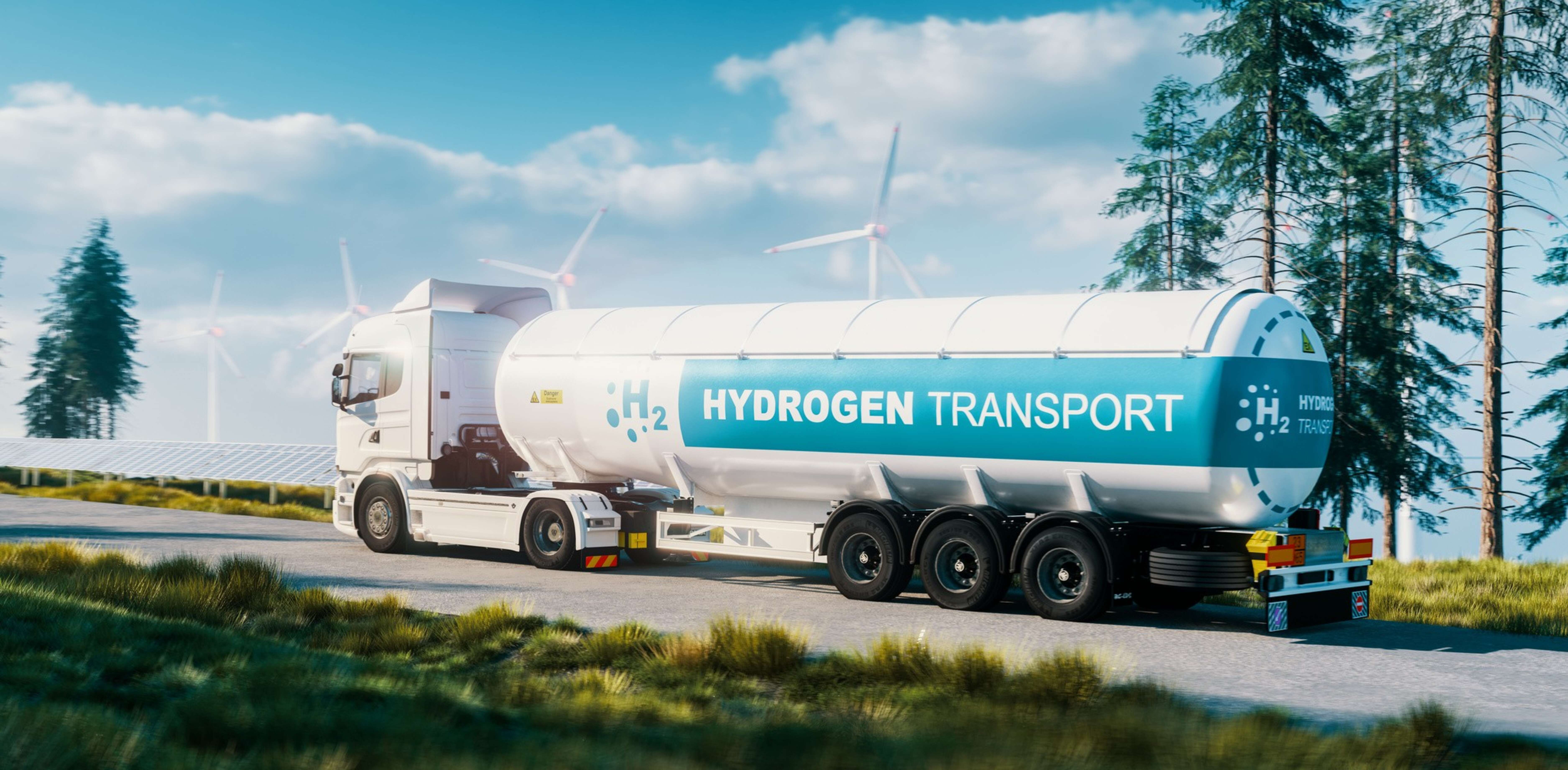
How does electrolysis work (high level)?
Electrolysis passes direct current (DC) through water so that hydrogen forms at the cathode and oxygen at the anode; stack efficiency and lifetime depend on tight temperature control and high water purity. Reaction heat must be removed from stacks to protect membranes/diaphragms and power electronics, feedwater must be conditioned for conductivity and temperature and product gases must be cooled and dried prior to compression and storage. Heat exchangers enable these tasks by providing controlled heat rejection, clean temperature approaches, and recoverable low-grade heat that can be reused for feedwater pre-heat or site utilities where it is economical.
Alkaline electrolysis (AEC) uses a liquid alkaline electrolyte (typically KOH/NaOH) with a diaphragm separating anode and cathode chambers. AEC is a mature, robust technology suitable for large installed capacities and generally tolerant to water quality variations.
- Operating traits: moderate stack temperatures (often ~60–90 °C class), lower current density than PEMEC, well-understood balance of plant.
- Thermal needs: stable stack temperature to maintain efficiency and diaphragm life, electrolyte loop cooling to manage viscosity and conductivity, gas cooling/condensation on the H₂/O₂ side to remove entrained moisture, and heat recovery where feasible.
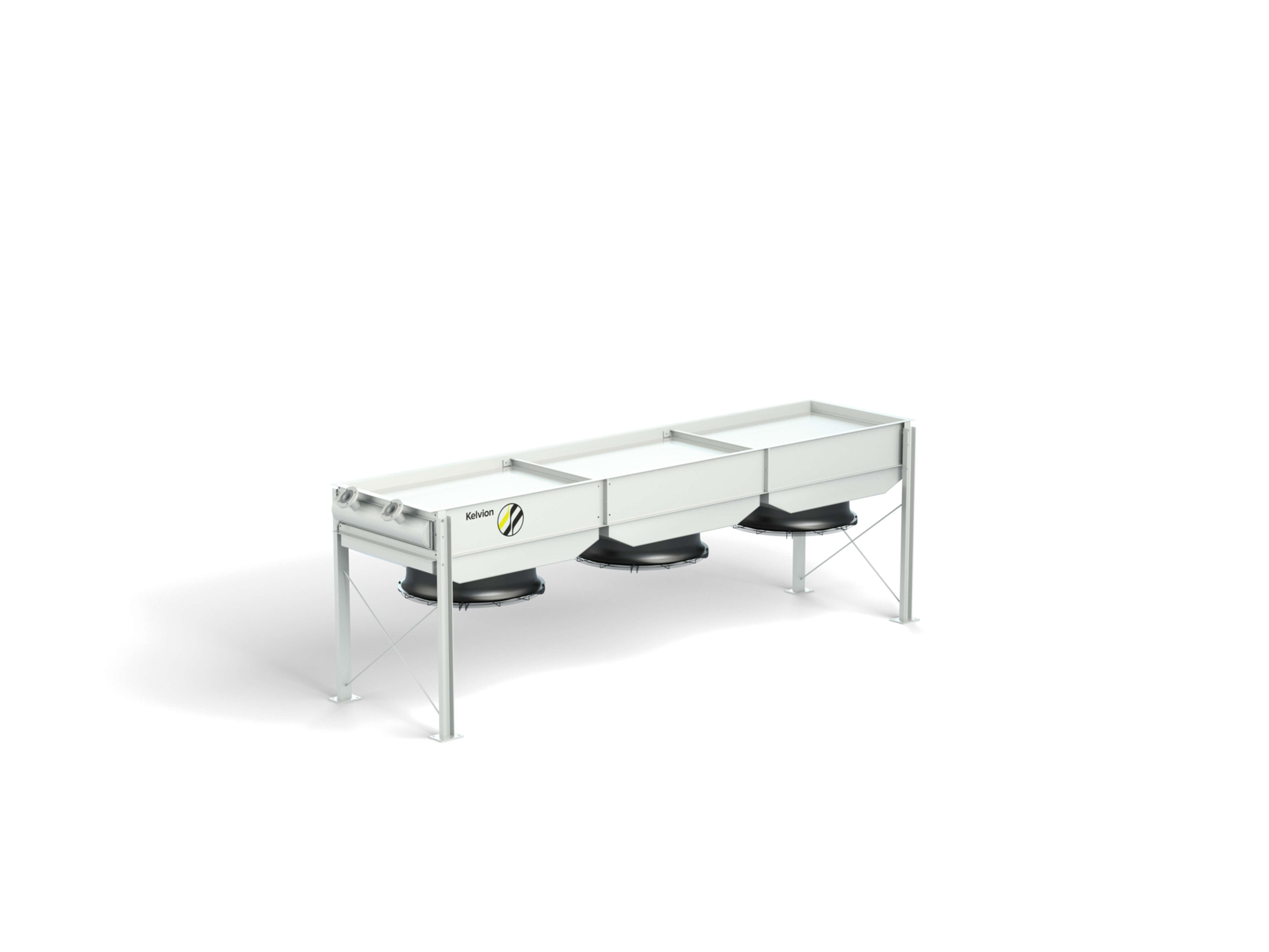
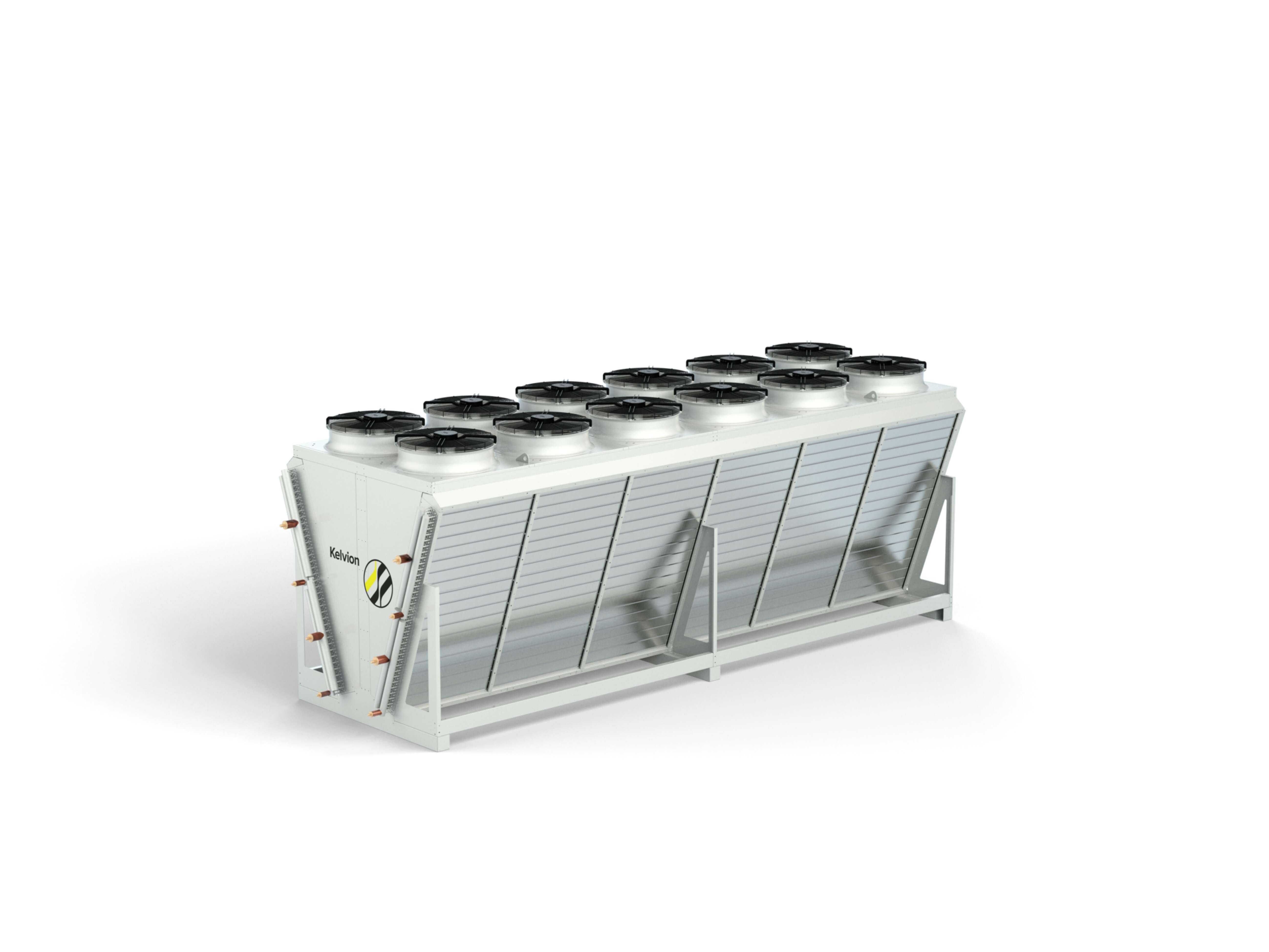
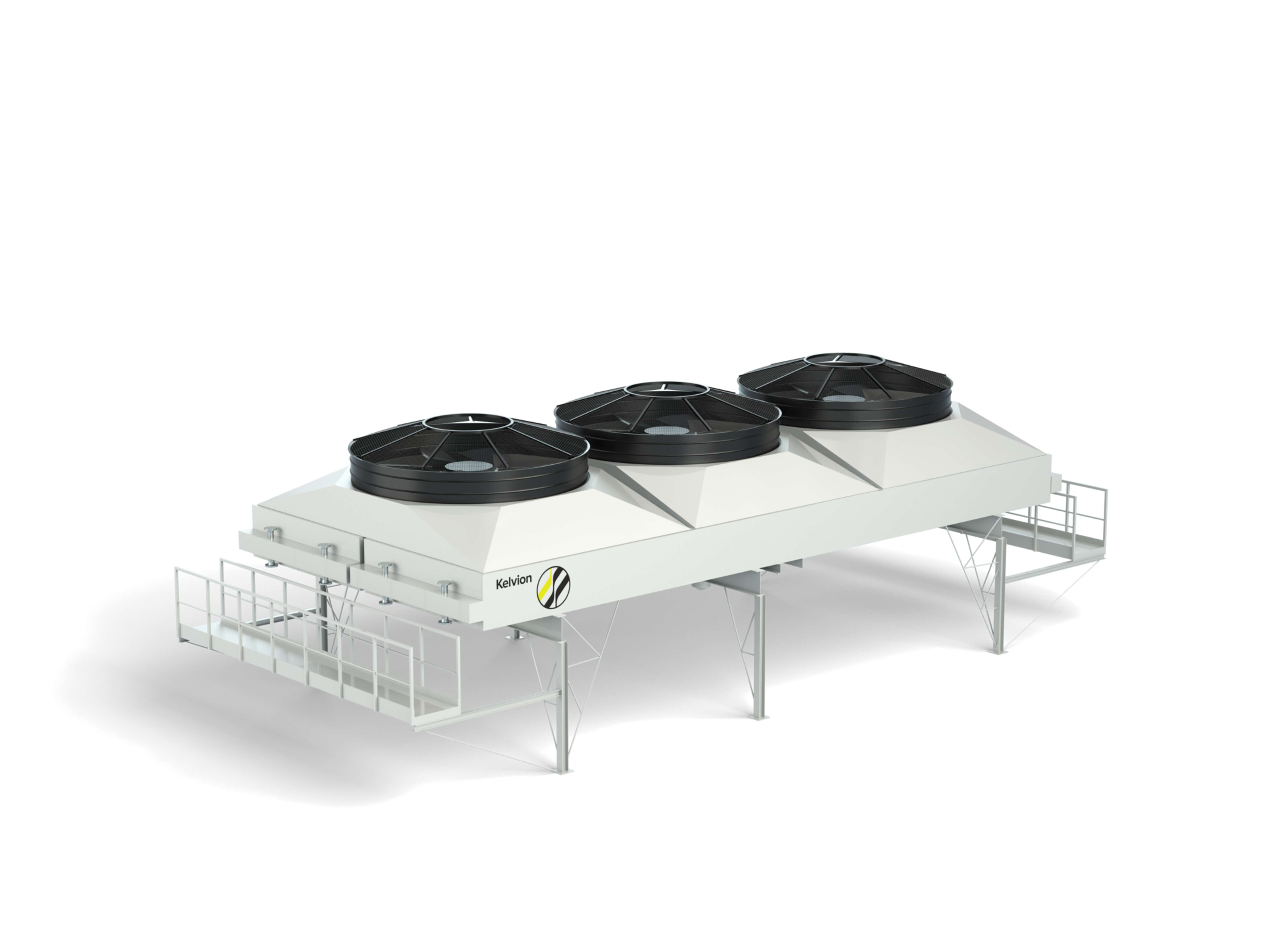
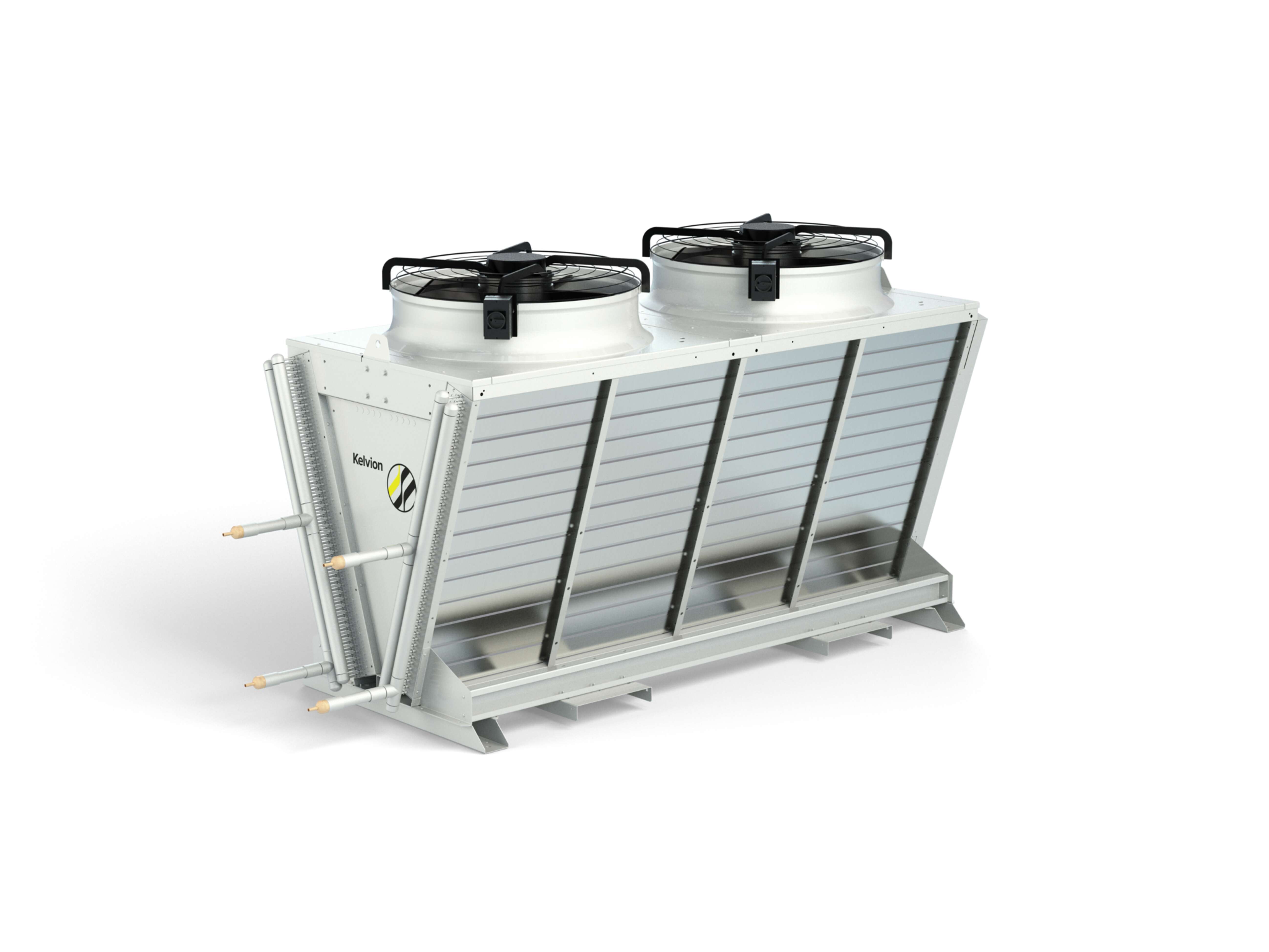
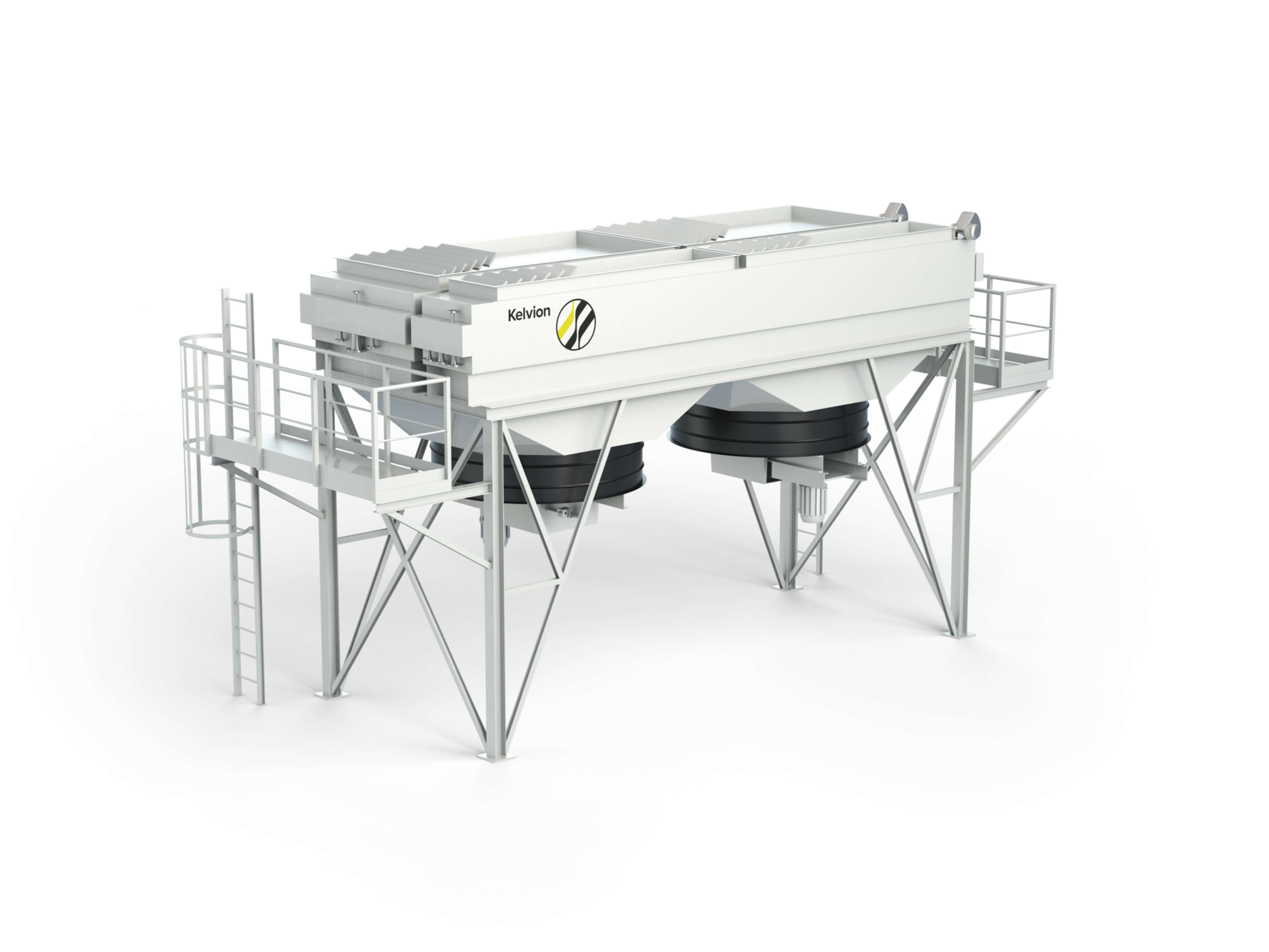
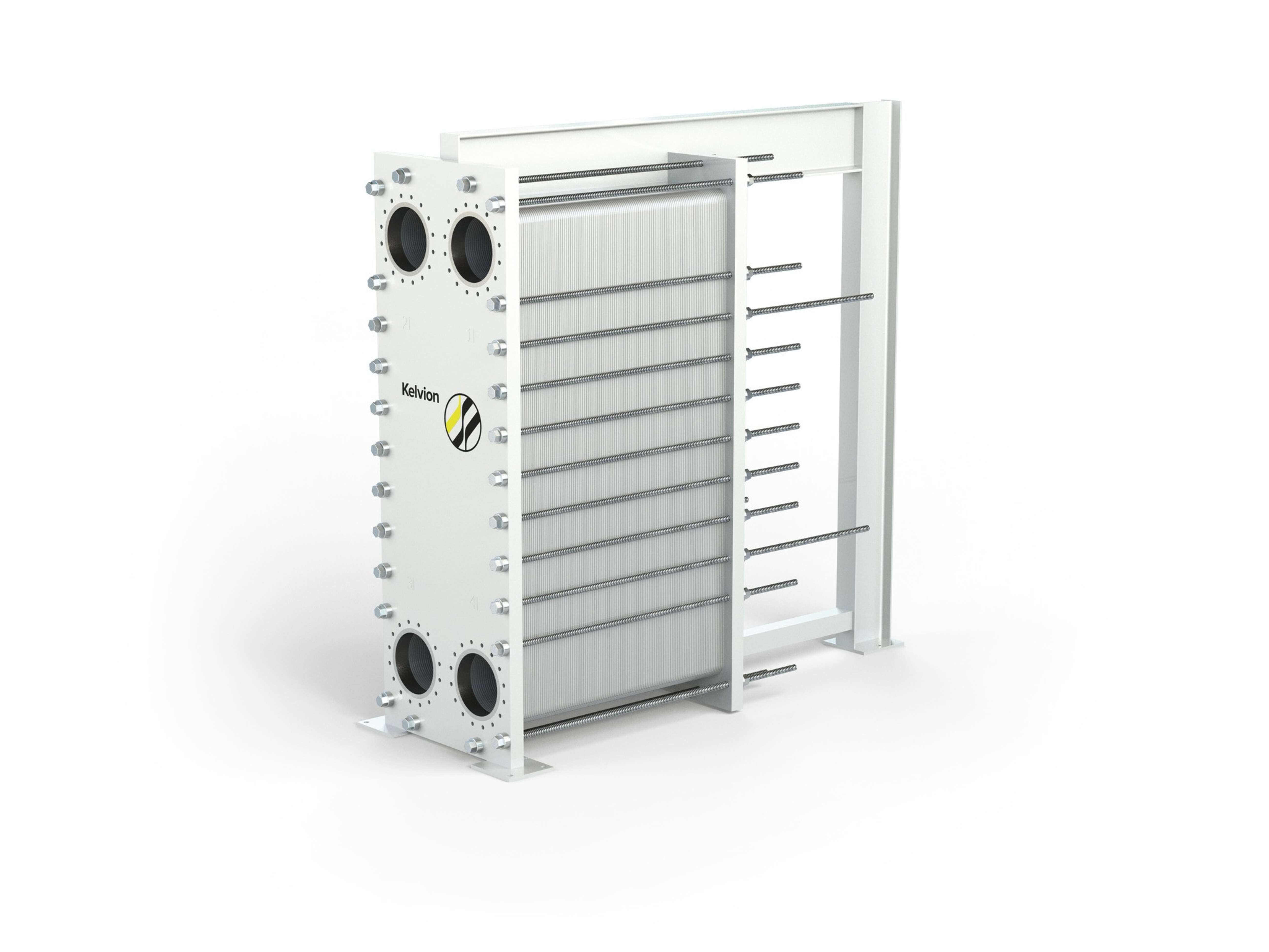
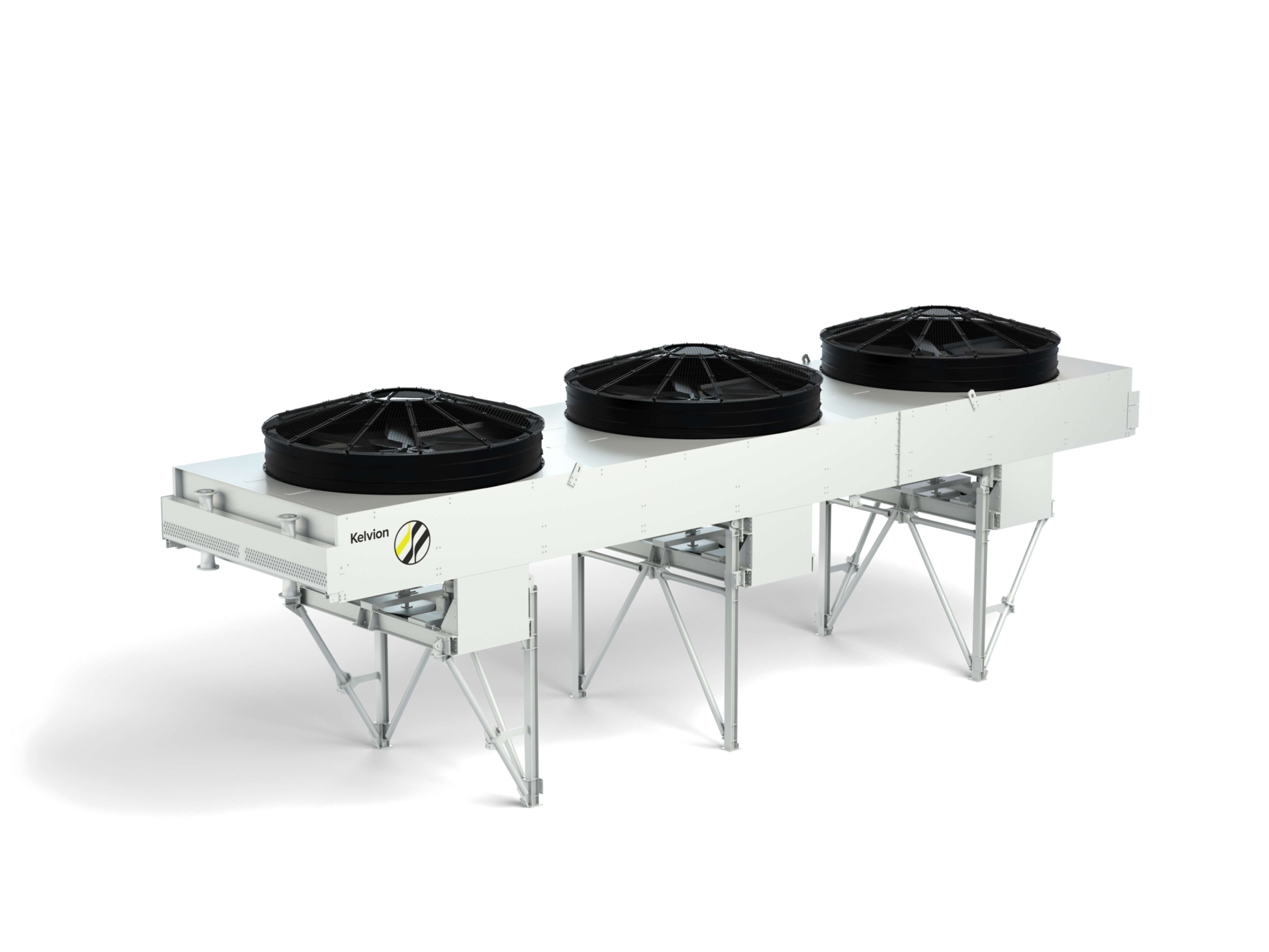
- Heat exchanger focus areas: corrosion-resistant plate or welded plate heat exchangers for caustic (lye) circuits, air-cooled or water-cooled units for O₂/H₂ cooling, and inter/aftercoolers around the compressor train to manage discharge temperatures and reduce work.
Proton exchange membrane electrolysis (PEMEC), also known as PEM electrolysis or PEM water electrolysis (PEMWE), uses a solid polymer electrolyte that conducts protons, enabling high current densities and fast ramping – well suited to variable renewable power.
- Operating traits: compact stacks, high differential pressure capability, dynamic operation with frequent load changes.
- Thermal needs: precise stack cooling with a narrow ΔT across cell plates, deionized (DI) water conditioning to protect the membrane and catalysts, and product-gas cooling/drying before compression or purification.
- Heat exchanger focus areas: low-fouling plate heat exchangers with tight approach temperatures for stack loops; gas coolers and condenser/dryers to meet hydrogen/oxygen specifications; closed-loop coolers for power electronics, rectifiers, and transformers to stabilize the balance of plant.
Where do heat exchangers add the most value in AEC and PEMEC?
Heat exchangers protect stacks, reduce OPEX, and make systems grid-friendly by keeping temperatures in efficient operating windows and by integrating heat sensibly across the plant.
- Stack loop cooling: remove reaction heat to preserve efficiency, membrane/diaphragm integrity, and catalyst activity.
- Electrolyte/DI-water conditioning: control viscosity, conductivity, and bulk temperature; avoid hot spots and thermal stress.
- Gas-side duties: cool H₂/O₂, condense and remove entrained moisture, and pre-condition streams for purification and compression to avoid off-spec gas and compressor damage.
- Heat recovery: harvest low-grade heat for feedwater pre-heat or site utilities when economics allow.
- Balance of plant (BoP): dedicated cooling circuits for power electronics and transformers to ensure reliable operation under load transients.



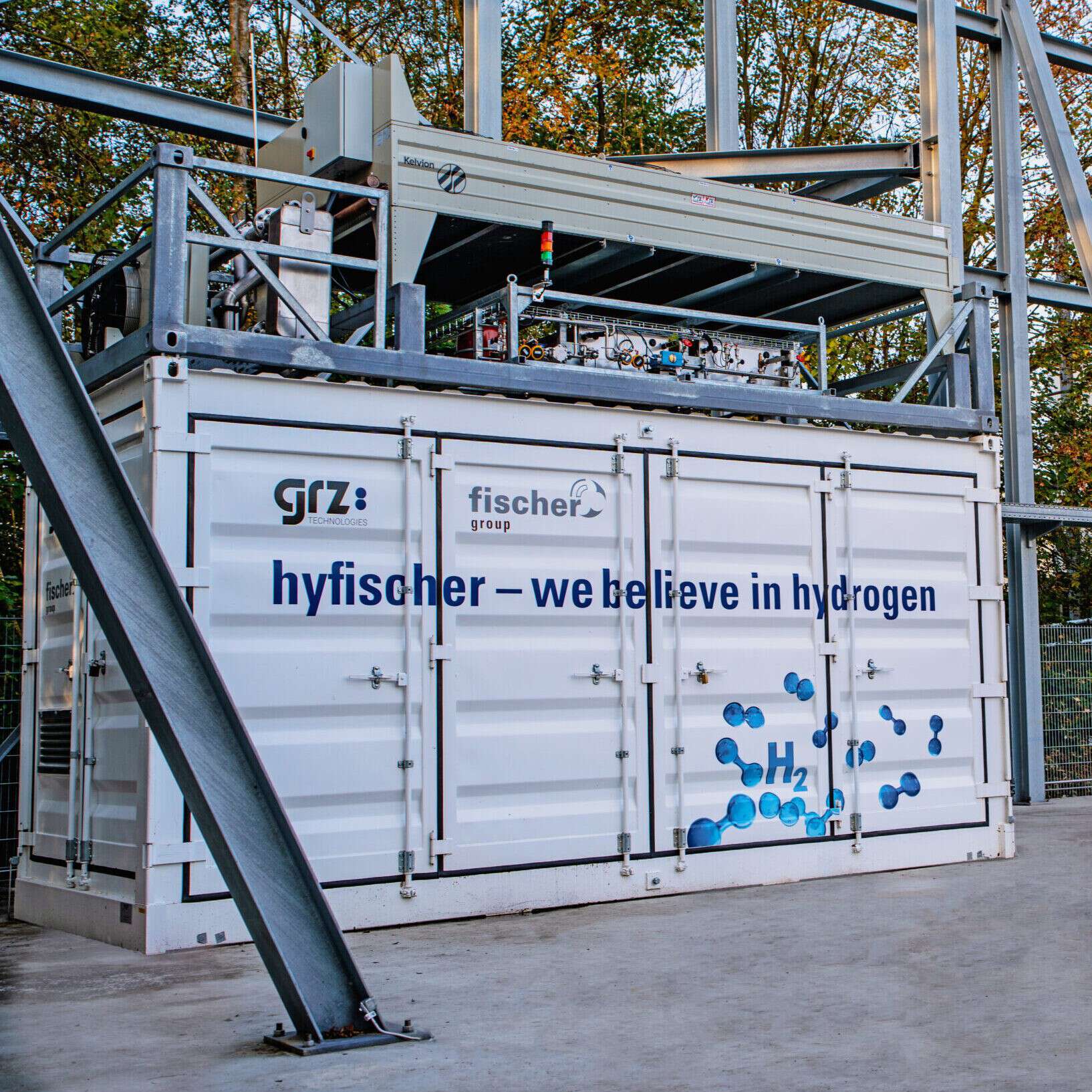
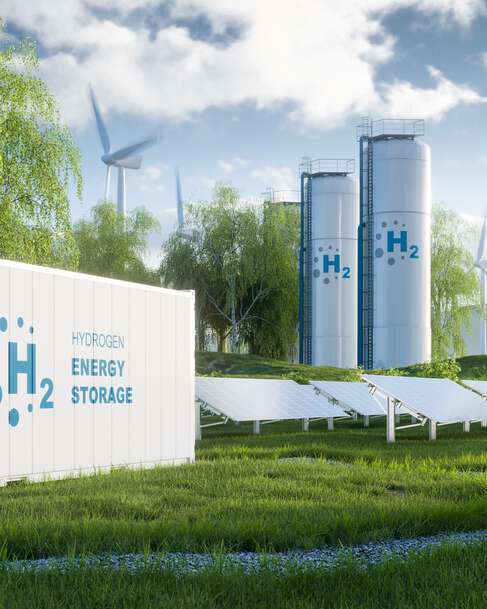
FAQ – Electrolysis for Green Hydrogen Production
Selection starts from thermal duty and allowable pressure drop, then narrows by materials, serviceability, and site utilities to ensure lifecycle reliability.
- Inputs to gather: stack/BoP heat load, flow rates, inlet/outlet temperatures, Δp limits, coolant type and quality, fouling factors, and footprint constraints.
- Design choices:gasketed plate for serviceability and tight temperature approaches; fully welded or semi-welded for aggressive media (caustic, oxygen) or higher pressures; air-cooled units where cooling water is limited.
- Material compatibility: select plate alloys and gasket/elastomer compounds that withstand caustics (AEC), DI water (PEMEC), and oxygen service; consider passivation and surface finishes that minimize corrosion/fouling.
- Serviceability: plan CIP or manual cleaning access, redundancy (N+1) for uptime, and by-pass/valve strategies for turndown without losing control of approach temperatures.
Vendors define exact setpoints, but the balance of plant tends to cluster around repeatable duties that serve stack health and gas quality. The stack loop continuously removes reaction heat within a defined temperature band to maintain efficiency and extend membrane/diaphragm life. The electrolyte or DI-water loop stabilizes temperature and conductivity to prevent precipitation, dehydration, or mechanical stress on the membrane. Gas coolers/condensers downstream of the stack reduce hydrogen and oxygen temperatures and condense moisture so that subsequent drying and compression steps meet specification. In the compression train, intercoolers and aftercoolers manage discharge temperatures, reduce compressor work, and remove additional condensate to protect downstream storage or pipeline infrastructure. Where site integration allows, low-grade heat from these duties can be recovered to improve overall plant efficiency.
Thermal underperformance often traces back to insufficient heat rejection, material mismatch, or water-quality problems, which can degrade efficiency and shorten component life.
- Insufficient cooling capacity: increase plate surface area, adjust coolant flow, or design for tighter approach temperatures; verify pump/fan control for load following.
- Fouling/corrosion: match metallurgy and gasket materials to caustic or oxygen service; maintain DI water quality; schedule CIP/manual cleaning intervals based on operating hours and monitoring data.
- Load following challenges: apply control valves and variable-speed pumps/fans to track intermittent renewables without temperature excursions; use bypass lines for stable ΔT at turndown.
- Off-spec gas quality: add polishing coolers/condensers and dryers ahead of compression or storage to meet water and temperature limits and protect equipment.
Keeping components within rated temperatures reduces stress on membranes, seals, catalysts, and power electronics, and it improves gas quality for downstream equipment. Stable temperatures prevent dry-out or overheating of PEM membranes (PEMEC) and caustic degradation in alkaline loops (AEC). Proper metallurgy and gasket compounds reduce leakage and corrosion risk in oxygen and caustic services, while effective dehydration after cooling protects compressors, storage vessels, and pipelines from condensation-related damage and safety hazards.