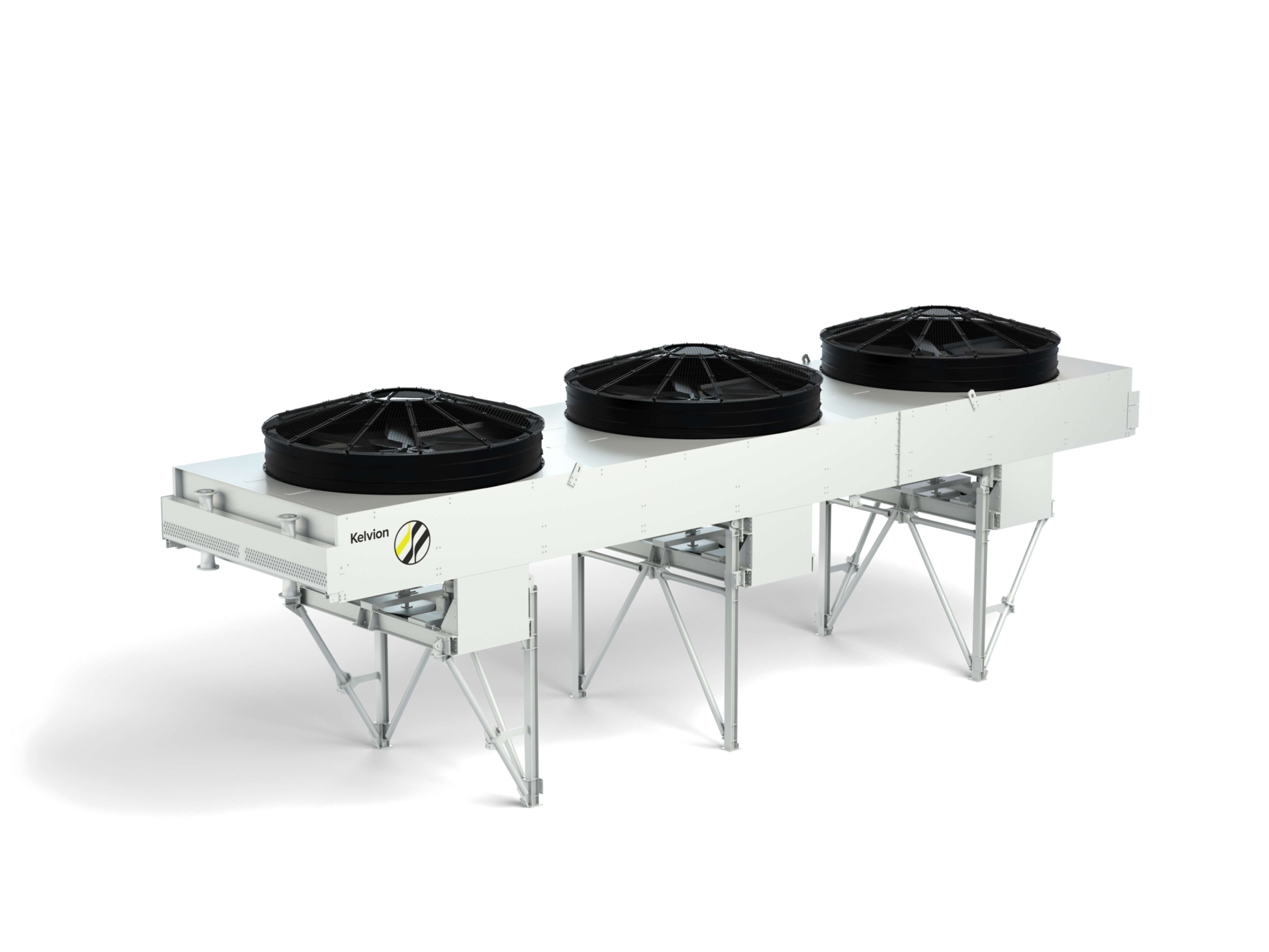
How can Air Fin Cooler Performance be optimised over its lifecycle?
Air Fin Coolers are designed for long-term, reliable operation in demanding industrial environments. However, even robust equipment experiences gradual performance degradation over time due to fouling, ageing components, changing process conditions or increased production demands. The key question for operators is therefore not whether service is required, but when and how performance can be restored or improved in a technically and economically sustainable way. This article addresses the most relevant service-related questions and explains how structured audits, targeted maintenance and revamping measures support long-term asset viability.
Why Service Becomes Critical During the Operating Phase
During early operation, air fin coolers typically perform close to design conditions. Over time, however, deviations emerge. Air-side fouling increases thermal resistance, fan efficiency declines, vibration levels change and operating margins narrow. In parallel, process conditions often evolve: throughput increases, ambient conditions shift or operating strategies change.
At this stage, performance losses are not always obvious. Outlet temperatures may still meet minimum requirements, but at the expense of higher fan speeds, increased power consumption or reduced redundancy. Without structured assessment, these hidden inefficiencies remain undetected until they constrain production or reliability.
Service interventions therefore play a critical role in identifying early degradation mechanisms and preventing unplanned downtime or premature replacement.
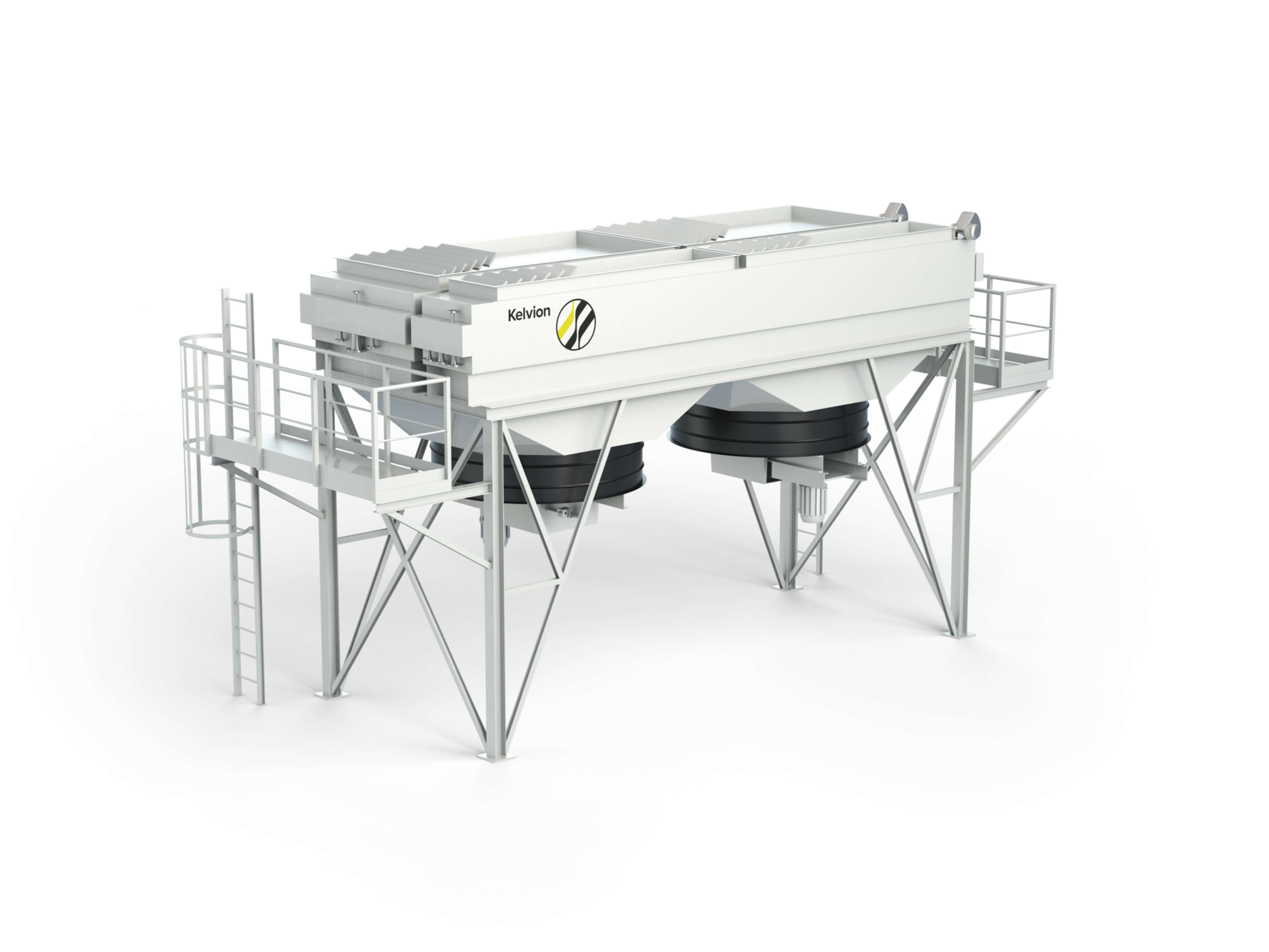
What Is the Purpose of a Site-Based Air Fin Cooler Audit?
A site-based audit forms the foundation of any effective service or revamping strategy. Its purpose is to establish a fact-based understanding of how the air fin cooler operates under real conditions, rather than relying solely on original design data.
Typical audit objectives include:
- assessing actual thermal performance versus design intent
- identifying air-side and fluid-side fouling effects
- analysing fan operation, power consumption and airflow distribution
- evaluating vibration behaviour and mechanical integrity
- detecting bottlenecks that limit capacity or availability
By combining visual inspection, measurements and analytical tools, the audit translates operational data into actionable recommendations. This enables operators to distinguish between issues that require immediate intervention and those that can be addressed during planned shutdowns.
Which Service Measures Address Typical Performance Losses?
Service measures range from targeted maintenance activities to comprehensive revamping projects. The appropriate scope depends on the root causes identified during the audit.
Common corrective and preventive measures include:
- external and internal cleaning of finned tubes to restore heat-transfer efficiency
- sealing or relining of leaking or corroded tubes
- replacement or upgrade of fans, blades and motors
- pitch adjustment to optimise airflow and noise behaviour
- repair or replacement of structural components
These measures are often sufficient to recover lost performance and stabilise operation, particularly when degradation is detected early.
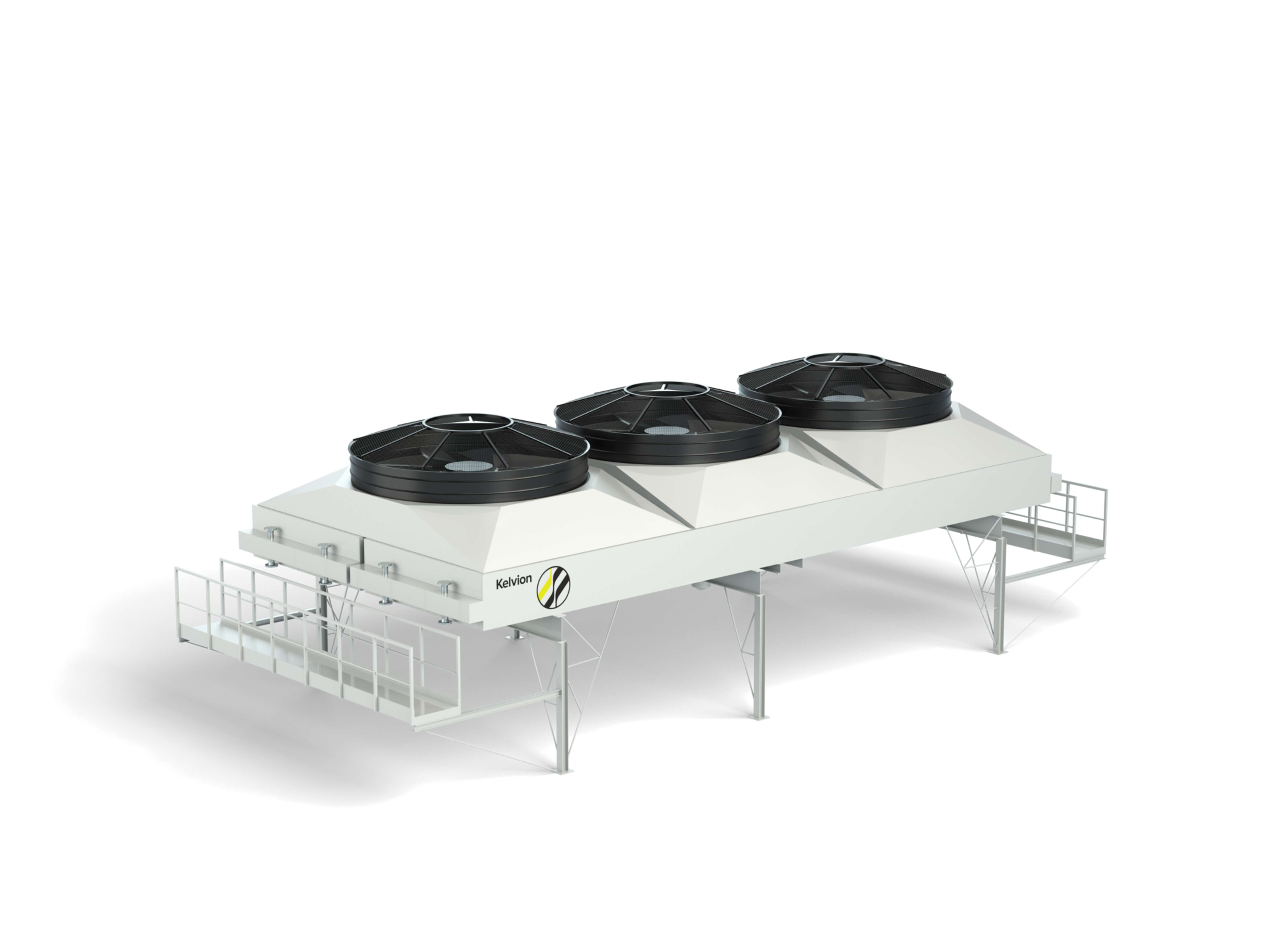
When Does Revamping Become the Preferred Option?
In some cases, maintenance alone is no longer sufficient.
This is typically the case when:
- process demands exceed original design capacity
- ambient conditions have become more severe
- material degradation affects large portions of the unit
- efficiency losses lead to unacceptable operating costs
Revamping addresses these challenges by replacing or upgrading key components using current technology. This may include new tube materials, improved fin designs, upgraded airflow systems or complete bundle replacement. Thermal studies ensure that the modified configuration meets current and future operating requirements.
Rather than extending the life of an outdated configuration, revamping realigns the air fin cooler with present-day performance expectations.
How Does an Energy Audit Support Sustainable Operation?
An on-site energy audit focuses on the relationship between thermal performance, power consumption and operating stability. It evaluates how efficiently electrical input is converted into usable heat rejection under actual conditions.
Based on these findings, targeted upgrades can be defined. Retrofitting more efficient fans or optimising airflow paths reduces energy consumption, lowers operating costs and often improves acoustic behaviour. Importantly, such measures also increase the mean time between failures and reduce mechanical stress.
Typical outcomes of an energy audit include:
How Can Air Fin Coolers Be Prepared for Increased Future Demands?
Future-proofing is a key consideration for asset-intensive industries. Production increases, process modifications or climate-related ambient changes can all push air fin coolers beyond their original design envelope.
Air Fin Cooler Service and revamping strategies therefore increasingly focus on adaptability. By removing bottlenecks identified during audits and upgrading critical components, operators create additional thermal margin. This enables the equipment to accommodate higher loads without compromising reliability or efficiency.
In many cases, this approach postpones or eliminates the need for full replacement, delivering substantial lifecycle cost benefits.
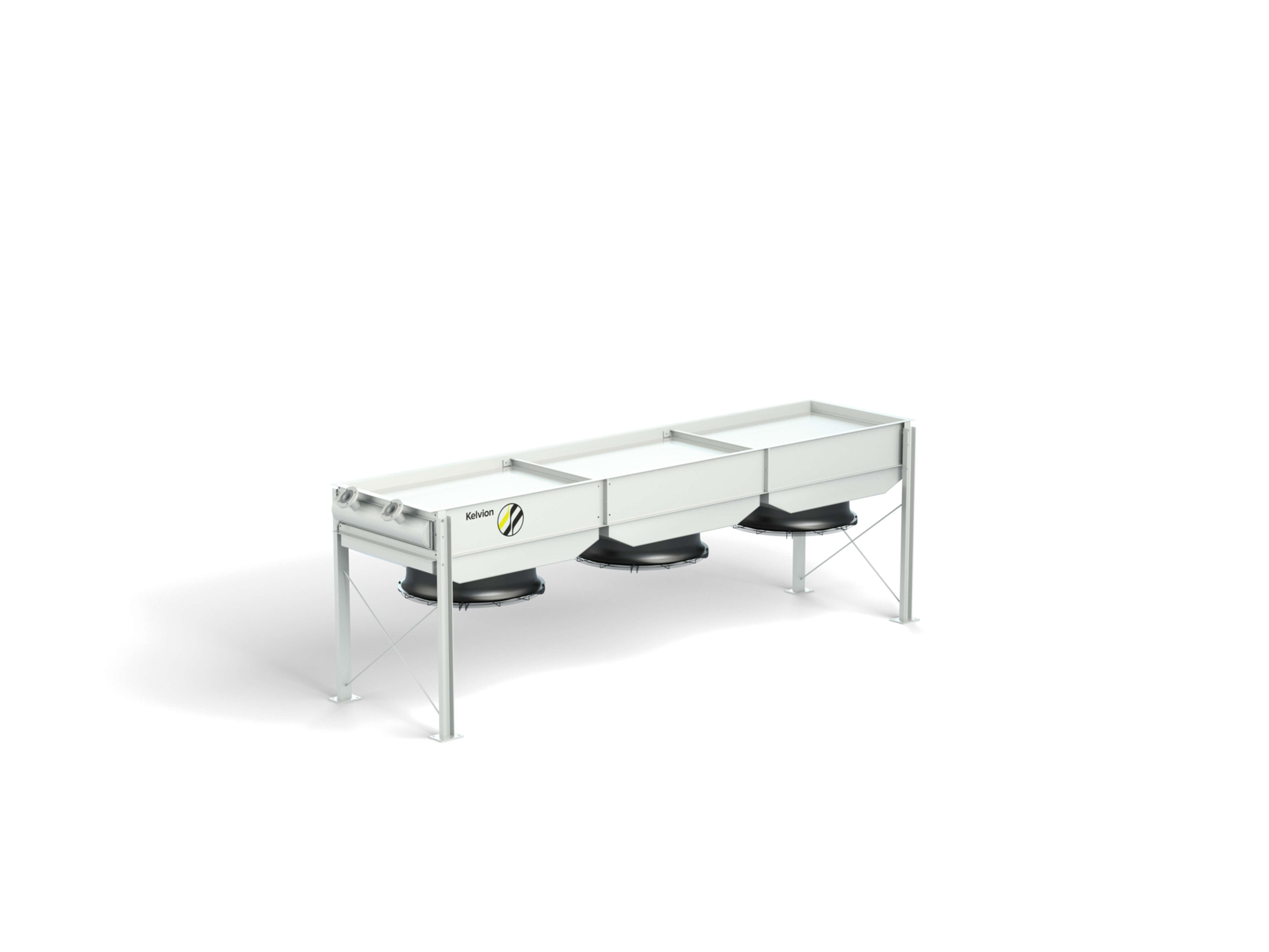
Monitoring, Analysis and Training as Part of Lifecycle Management
Effective service does not end with mechanical intervention. Continuous monitoring and knowledge transfer are essential for sustained performance.
Advanced service portfolios therefore include:
- airflow testing and thermographic inspections
- vibration and mechanical analysis
- CFD modelling to visualise airflow behaviour
- power consumption and noise analysis
- fouling studies on finned tubes
- targeted maintenance training for site personnel
These measures transform service from a reactive activity into a proactive lifecycle management strategy. Operators gain deeper insight into their equipment, enabling earlier intervention and more informed decision-making.
FAQ: Service and Revamping of Air Fin Coolers
An audit is recommended when performance deviations are observed, energy consumption increases, noise or vibration levels change, or when process demands are expected to rise.
Not always. Revamping is most effective when the structural integrity of the unit is sound and performance losses are linked to outdated components or changed operating conditions.
Yes. Fan upgrades, pitch adjustment and airflow optimisation often lead to measurable reductions in noise and vibration levels.
By restoring efficiency, reducing power consumption and extending equipment lifetime, service interventions lower environmental impact and resource consumption.