How to Improve Server Room Cooling Efficiency – FAQ
Server rooms live in real buildings with real constraints: limited space, mixed-age HVAC, tight maintenance windows, and often no raised floor or BMS. Efficient cooling means holding a stable approach temperature (ΔT), making the most of free-cooling hours and matching the room setup to actual heat flux – without risking uptime or safety. The Q&As below focus on practical, low-disruption steps that work in single rooms, comms closets, and edge sites.
What are the fastest ways to cut cooling power in an existing server room?
Start inside the room, then verify the outdoor kit can hold those gains on the hottest day.
- In-room airflow and set-points. Stop bypass and recirculation with basic containment (cold-aisle curtains or doors), blanking panels, brush grommets and sealed cable cut-outs. Balance fan speeds so you’re not over-delivering CFM, align unit set-points to avoid “hunting”, and raise supply temperature within IT limits. Clean coils and change filters on time so your approach (ΔT) doesn’t widen under load.
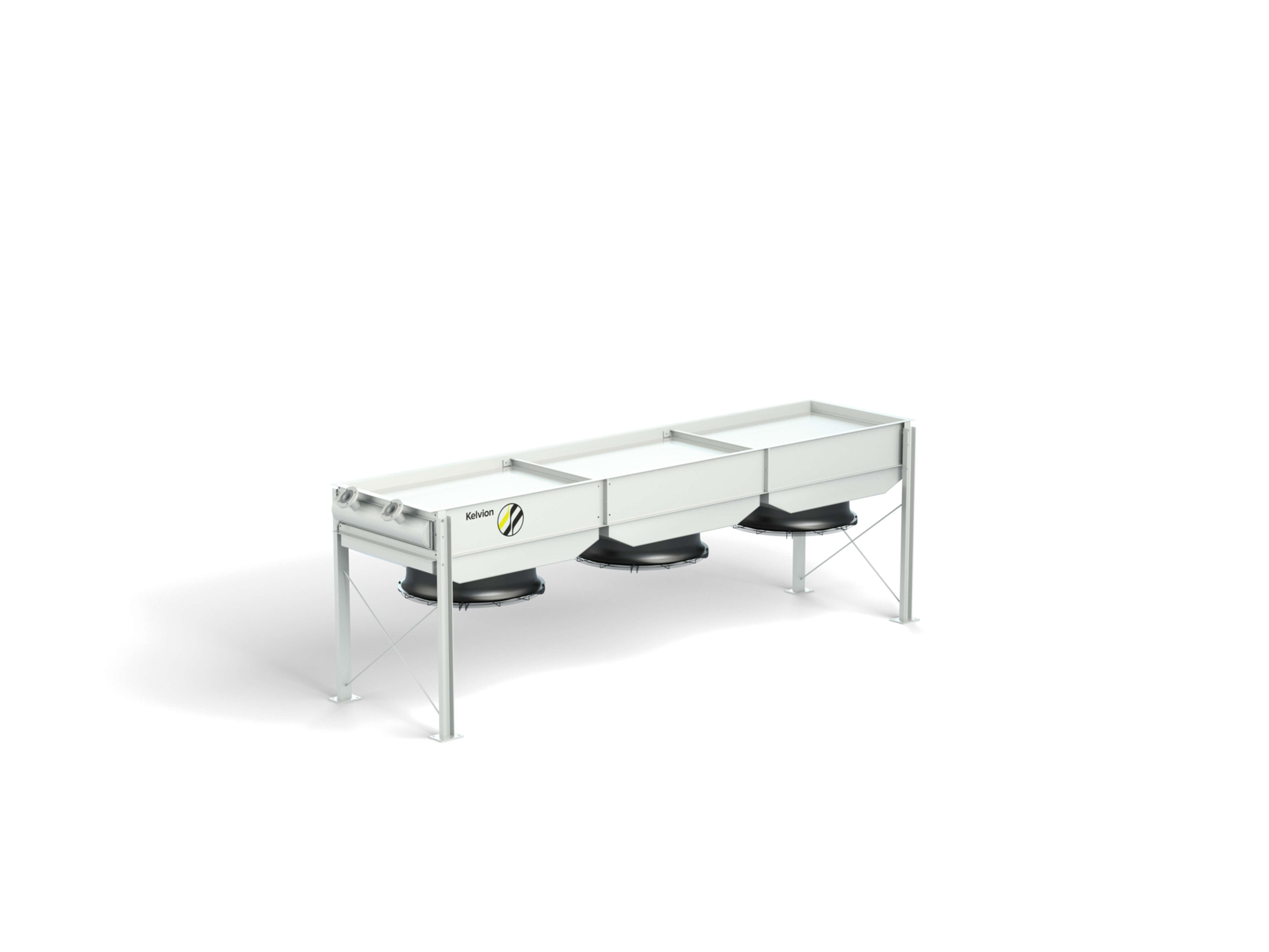
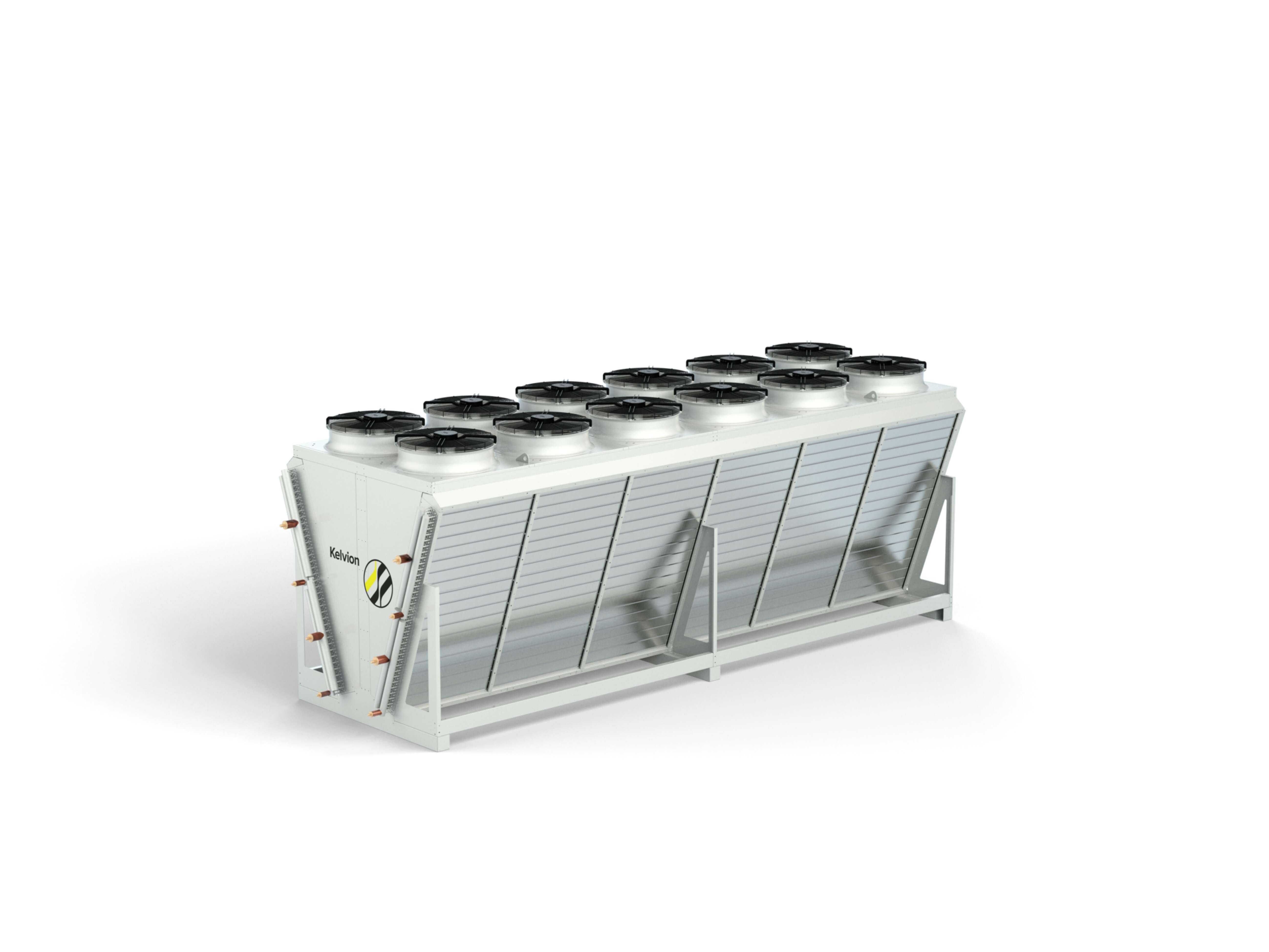
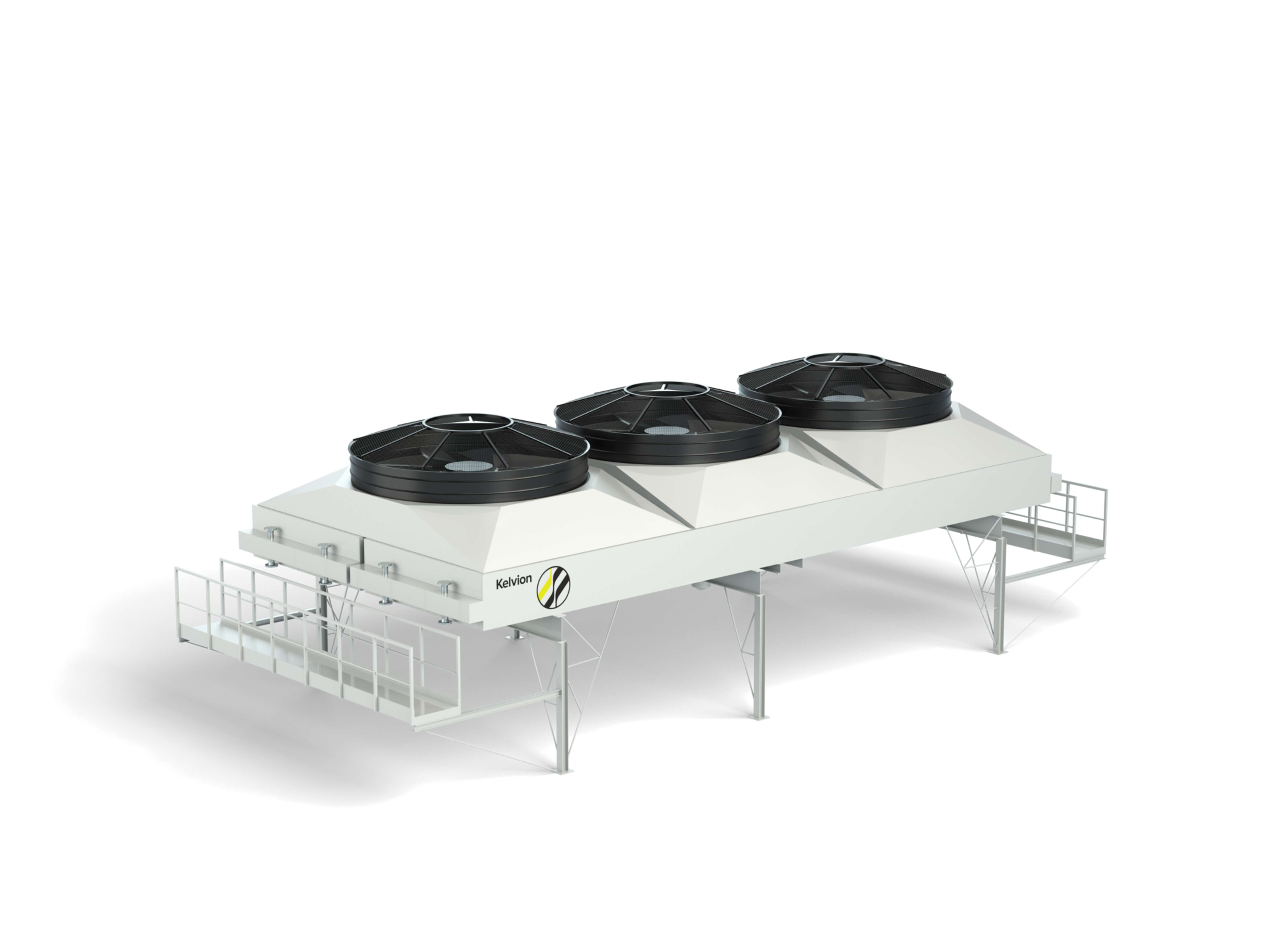
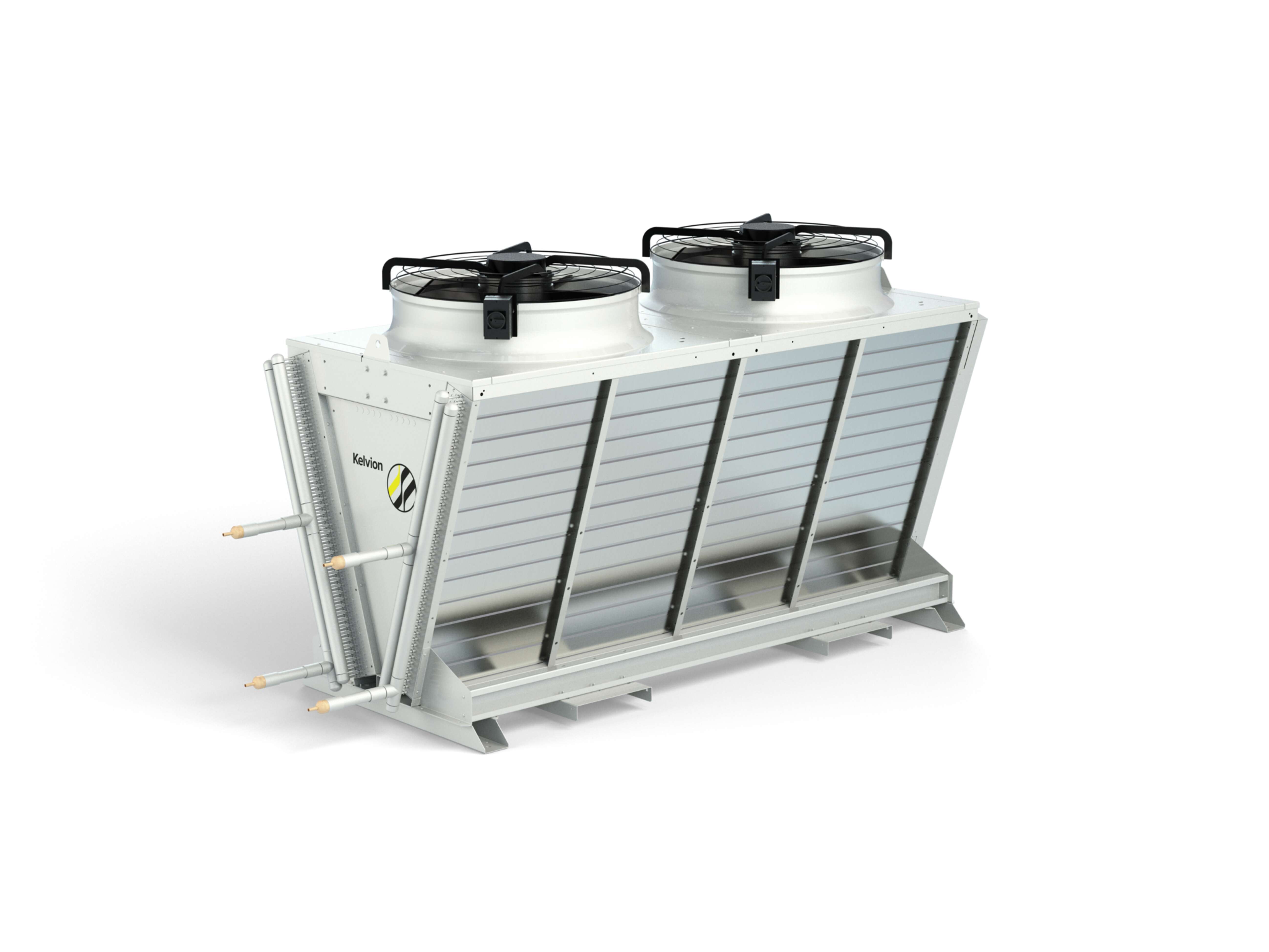
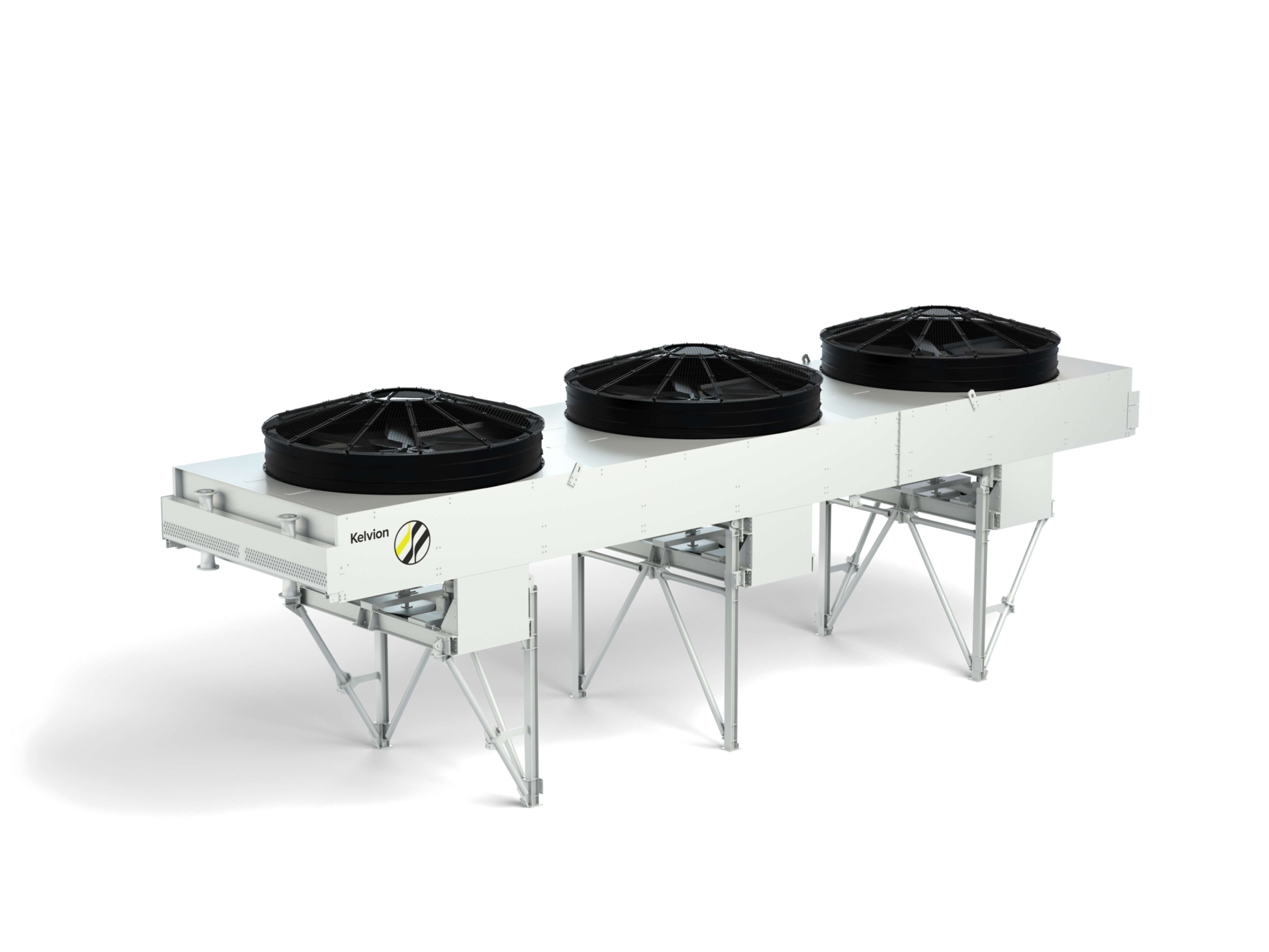
- Outdoor capacity for design day. Whether you use wall-mount DX units, split systems, or a small chiller with a dry cooler, the outdoor train must hold set-points at worst-case ambient; otherwise indoor tweaks get wiped out in summer.
- Simple controls & upkeep. Variable-speed fans (and pumps, if present) should follow IT load smoothly. Treat coil/filter cleanliness as a power-bill item – fouling shows up first as rising ΔT and fan/compressor hours.

How to reduce water use (WUE) while staying efficient?
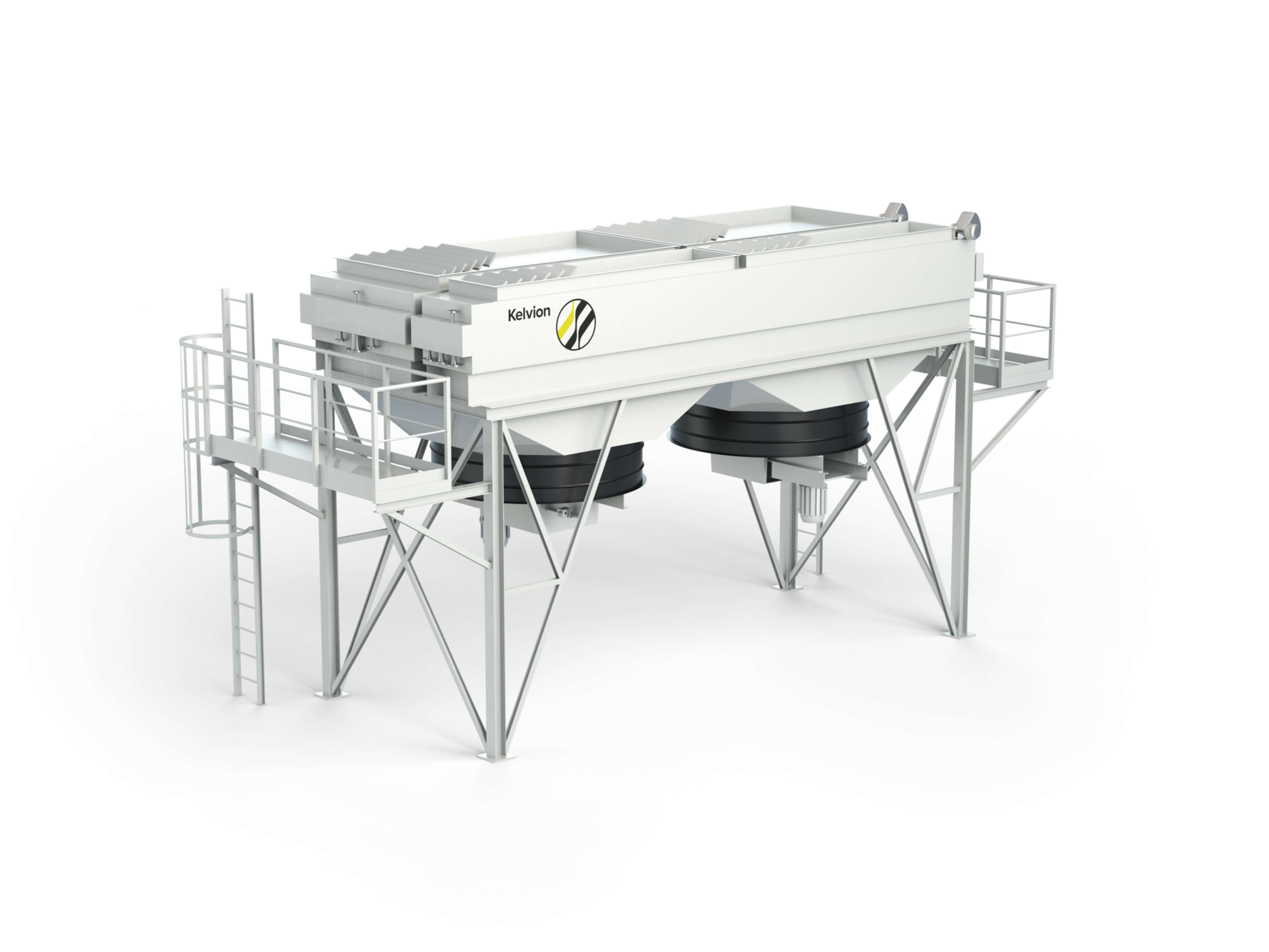
Most server rooms run best on dry operation. Use dry/air-fin rejection or DX condensers as your baseline and enable any adiabatic/economiser assists only for short, hot peaks. If water is unavoidable, localise it (e.g., a single rear-door heat exchanger) rather than shifting the whole room to water-assisted cooling. Interlocks should prioritise dry mode and allow water assist only above defined ambient thresholds.

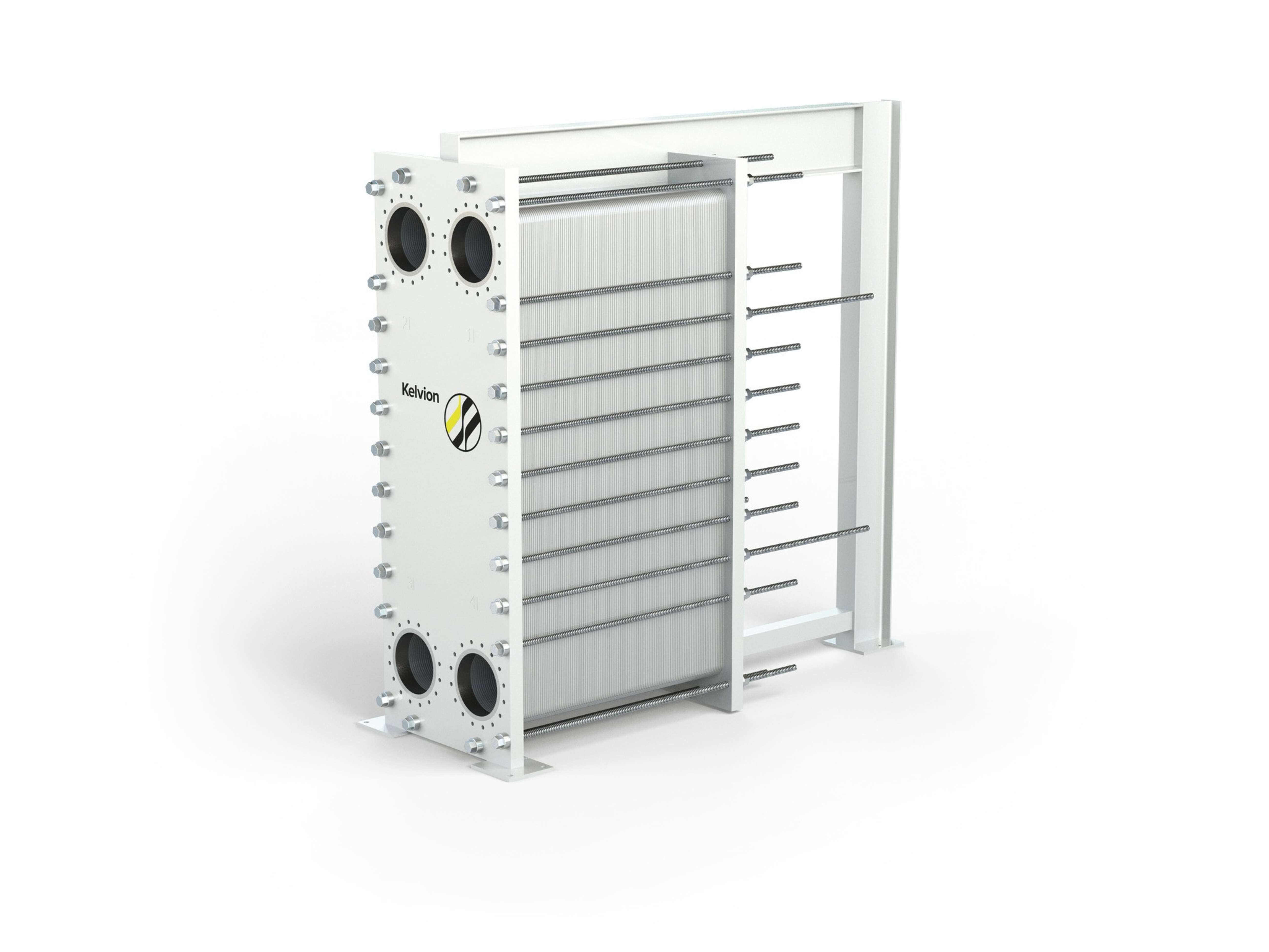
Free cooling (air-side or fluid-side economiser) reduces both electricity and water by keeping compressors and sprays off whenever climate allows. Even small rooms can benefit if the outdoor unit supports economiser modes and the building can route cool outside air or cool fluid safely. Heat recovery is occasionally viable for building pre-heat or seasonal loads when return temperatures are high enough; use hydraulic separation (plate or shell-and-tube) and, if needed, a small heat pump to lift to useful set-points. Keep recovery optional so base cooling isn’t compromised in extreme weather.

Introduce targeted liquid only where it clearly pays: a few high-density racks, strict acoustic limits, or very tight space. Common patterns are rear-door heat exchangers on the hot racks or small direct-to-chip loops in a contained row, while the rest of the room remains air-cooled. Outside, stick with dry/air-fin rejection as the default and size for design-day ambient; avoid turning liquid into a building-wide water dependency.
For a short comparison of approaches, see the Liquid vs. Air Cooling in Data Centres – FAQ.
FAQ – Efficient Server Room Cooling
Tackle containment and sealing first, then right-size airflow so fans aren’t pushing unused CFM. Raise supply temperatures where hardware allows, and keep coils clean with appropriate filtration (e.g., ISO ePM1) to control pressure drop and ΔT drift. If a few racks still run hot, rear-door or in-row coolers can stabilise them without changing the whole room.
Aim for a tight but controllable ΔT between the room and the outdoor train that you can hold at summer design ambient, not just in spring. Trend ΔT across coils (and plates, if present) to catch fouling early, and plan cleaning before parasitics rise or free-cooling hours disappear. Design normal set-points so you do not rely on water assist.
Size the outdoor plant (dry cooler, condenser, or rooftop unit) for the worst hour of the year; use short adiabatic/economiser assists only to protect approach on peak days. In coastal/industrial settings, apply protective coil coatings and robust filtration to limit corrosion and fouling. Where heat flux is stubbornly high, a local rear-door or DTC loop with dry rejection can cut fan power and noise without a full liquid conversion.
Phase low-disruption measures first (containment, airflow balance, coil hygiene, basic controls). Schedule works during low load and provide temporary spot cooling only as a safety net—not as normal practice. If adding liquid assistance, design quick-connects, drip trays, leak detection, and isolation valves so maintenance is safe in a live room. Outside, use modular dry arrays and leave space/power for future upgrades.
Both improve resilience, but they behave differently at part load. N+1 typically balances CapEx/OpEx while maintaining availability; N+N raises fault tolerance but can waste energy if standby units run too hard. Use lead/lag rotation and variable-speed turndown so standby capacity doesn’t quietly erode PUE. Test switchover at realistic ambient to confirm ΔT and set-points hold.
Track a short set you can act on: inlet temperatures, ΔT/approach across coils (and plates), fan/compressor hours or power vs IT load, and PUE/WUE if available from meters. Add alerts for high filter ΔP, leaks, low flow and temperature excursions. Review trends monthly; seasonal patterns often reveal the best maintenance and tuning opportunities.