Liquid Cooling vs. Air Cooling in Data Centres – FAQ
Choosing between liquid cooling and air cooling is ultimately about heat flux, density, energy and water use, and how your white space needs to evolve. In practice many operators run hybrid: air for mainstream racks, liquid where density and thermal control demand it. The questions below outline when each approach is the better fit and how those choices influence efficiency and heat recovery.
What’s the difference between air cooling and liquid cooling?
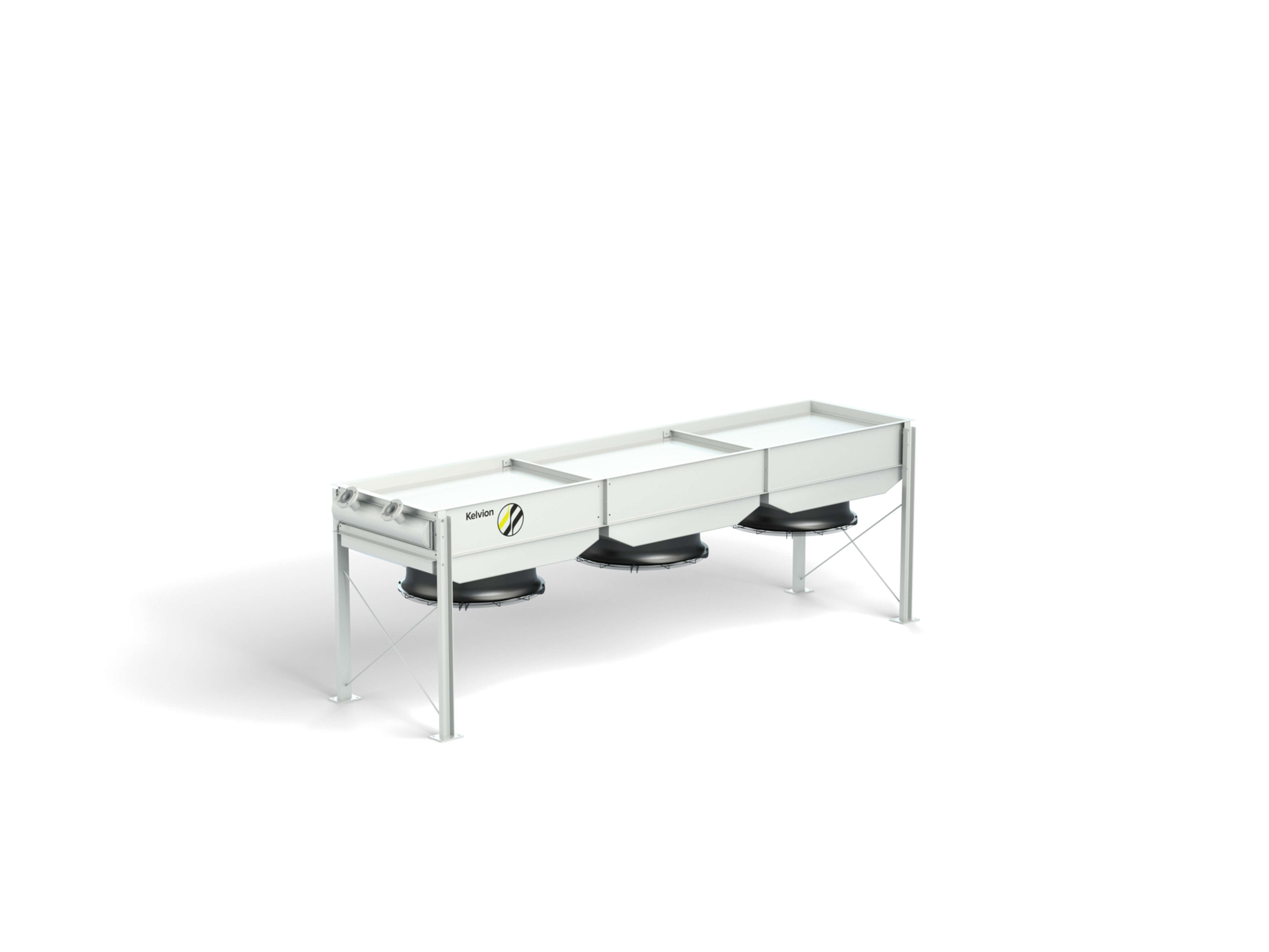
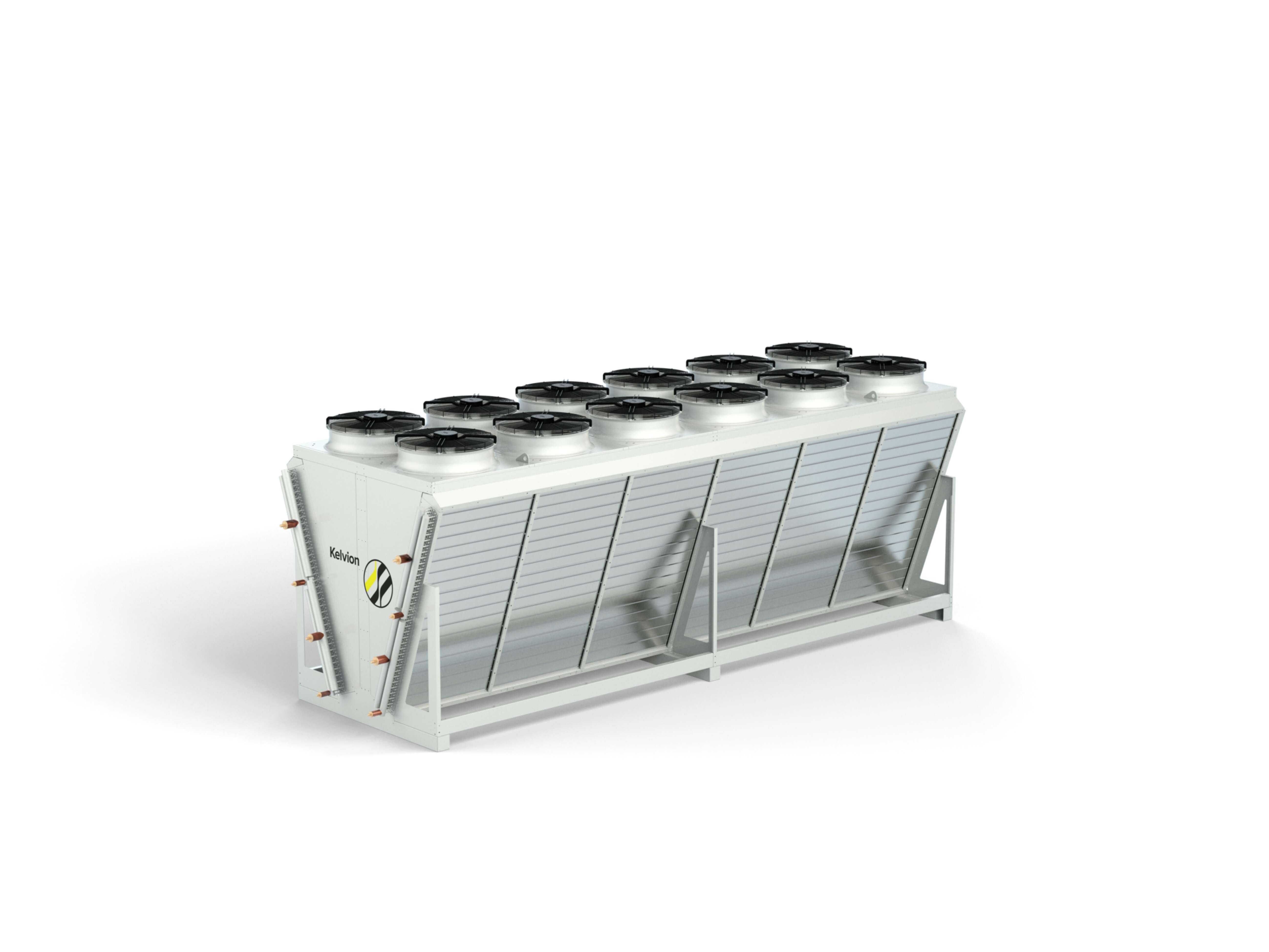
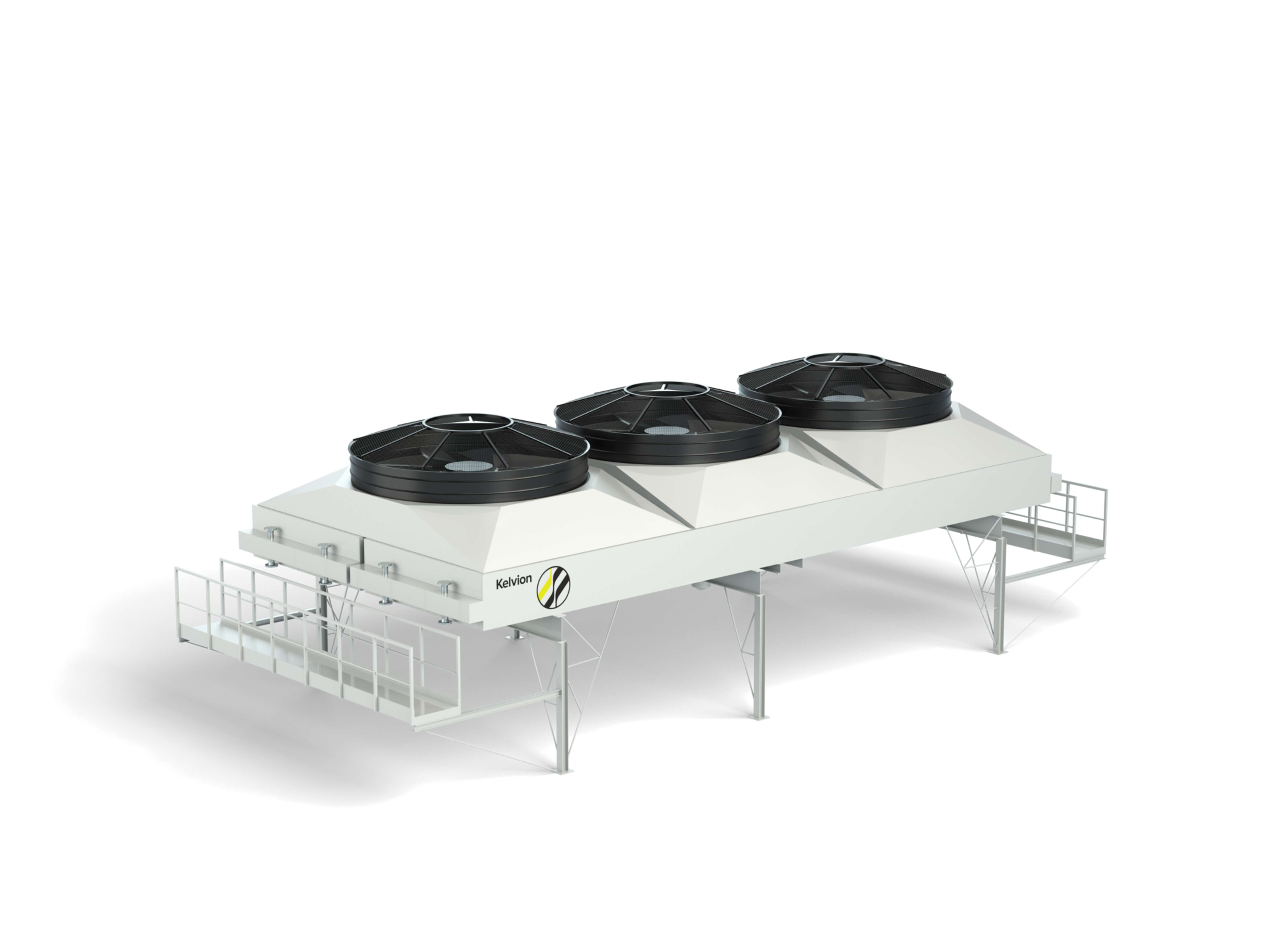
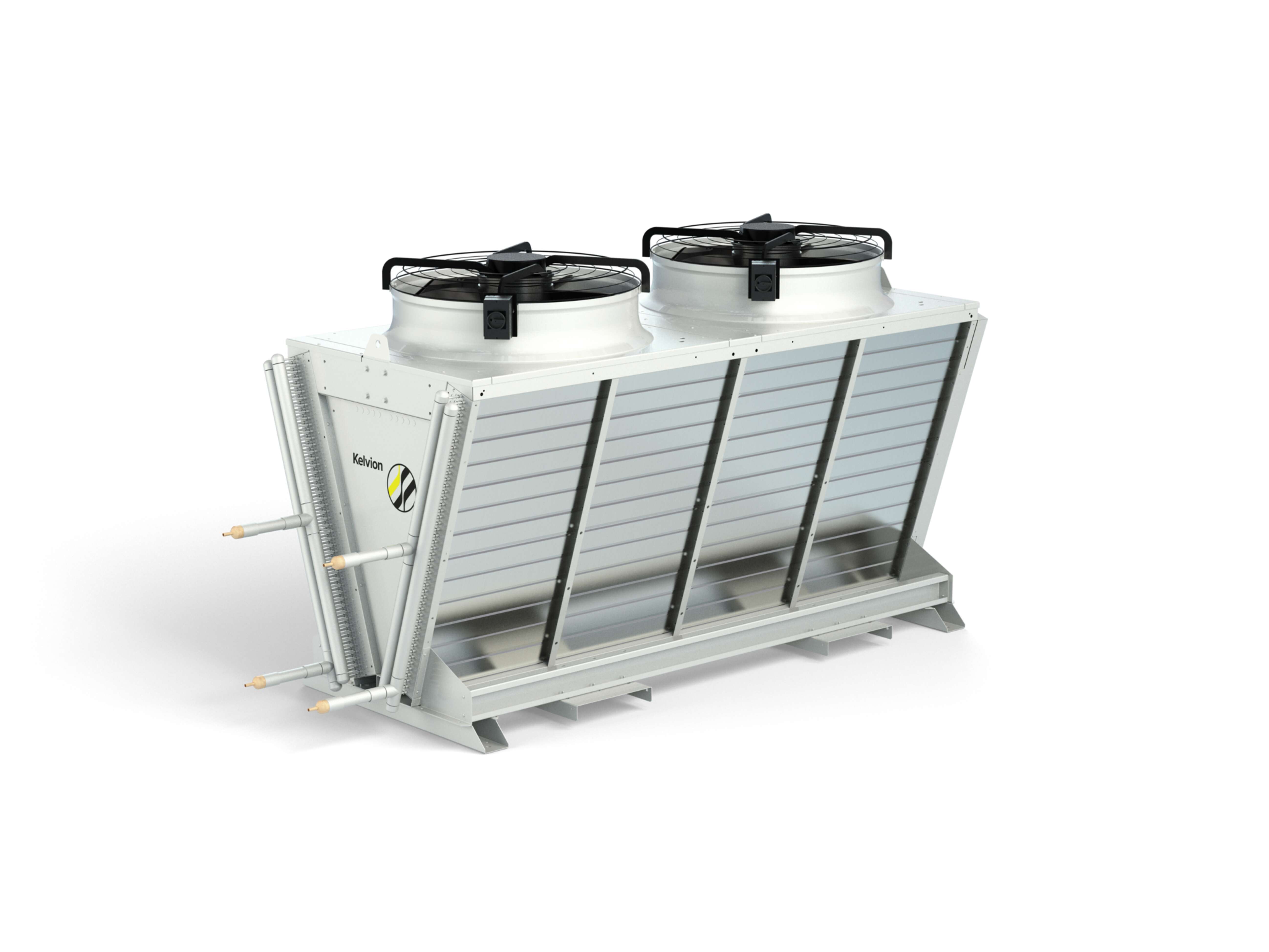
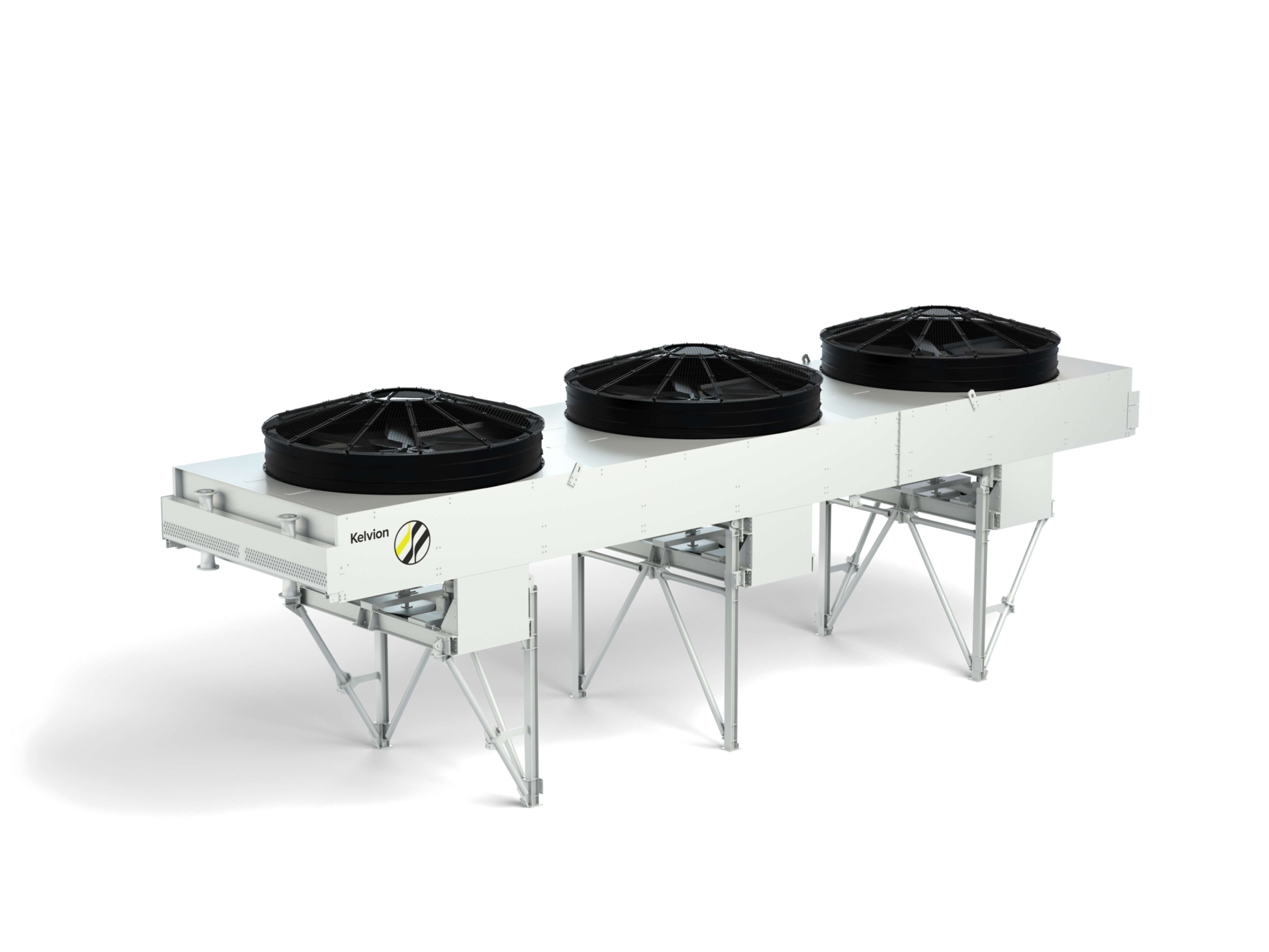
Air cooling removes heat via room/row/rack airflow (CRAC/CRAH, in-row, rear-door) and rejects it outdoors using dry/air-fin, adiabatic/hybrid or tower/ACC solutions. It’s mature, widely serviceable and benefits fromcfree-cooling hours in suitable climates.
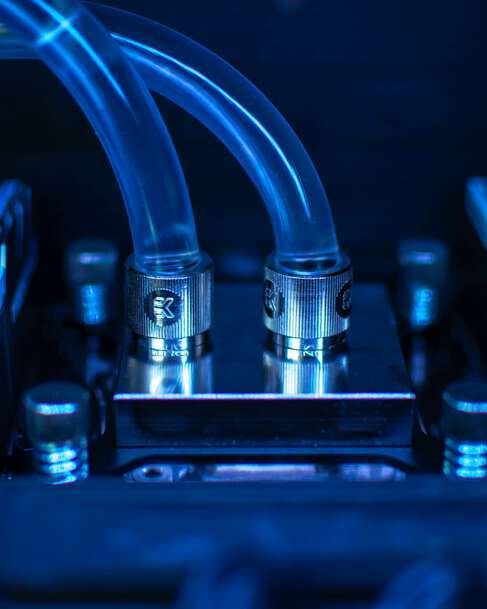
Liquid cooling extracts heat at source using direct-to-chip (cold plates) or immersion, enabling higher rack densities, tighter temperature control and smaller approach temperatures (ΔT). Many sites adopt a hybrid model: air for mainstream racks, liquid for high-density zones.

Liquid is preferable when heat flux and density are high (AI/HPC, accelerator-heavy racks), when thermal envelopes must be tight to protect performance and lifetime, and where floorspace is constrained so that air paths would become large, noisy or power-hungry.
- Often provides return-temperature headroom that supports waste-heat recovery (with a heat pump if network set-points require a lift).
- Well suited to new high-density zones during phased upgrades.

Air remains compelling where densities are moderate and climates offer abundant free-cooling hours with dry/air-fin rejection and minimal water use. It suits operators prioritising operational simplicity, fleet-wide serviceability and lower CapEx/change risk (e.g., brownfield upgrades).
- Can be further improved with containment, controls and coil upgrades, while liquid is added only where the business case is clear.
How do cooling choices impact efficiency and sustainability (PUE, WUE, heat recovery)?
Liquid can reduce fan power and allow warmer coolant set-points, helping PUE without necessarily increasing WUE if paired with dry rejection. Air delivers strong PUE via maximised free-cooling hours, using adiabatic assist only on hot days to protect ΔT and capacity.
Liquid lowers internal parasitics; air benefits from long dry-operation windows.
Dry/air-fin keeps water use low; adiabatic is a peak-day assist, not baseline.
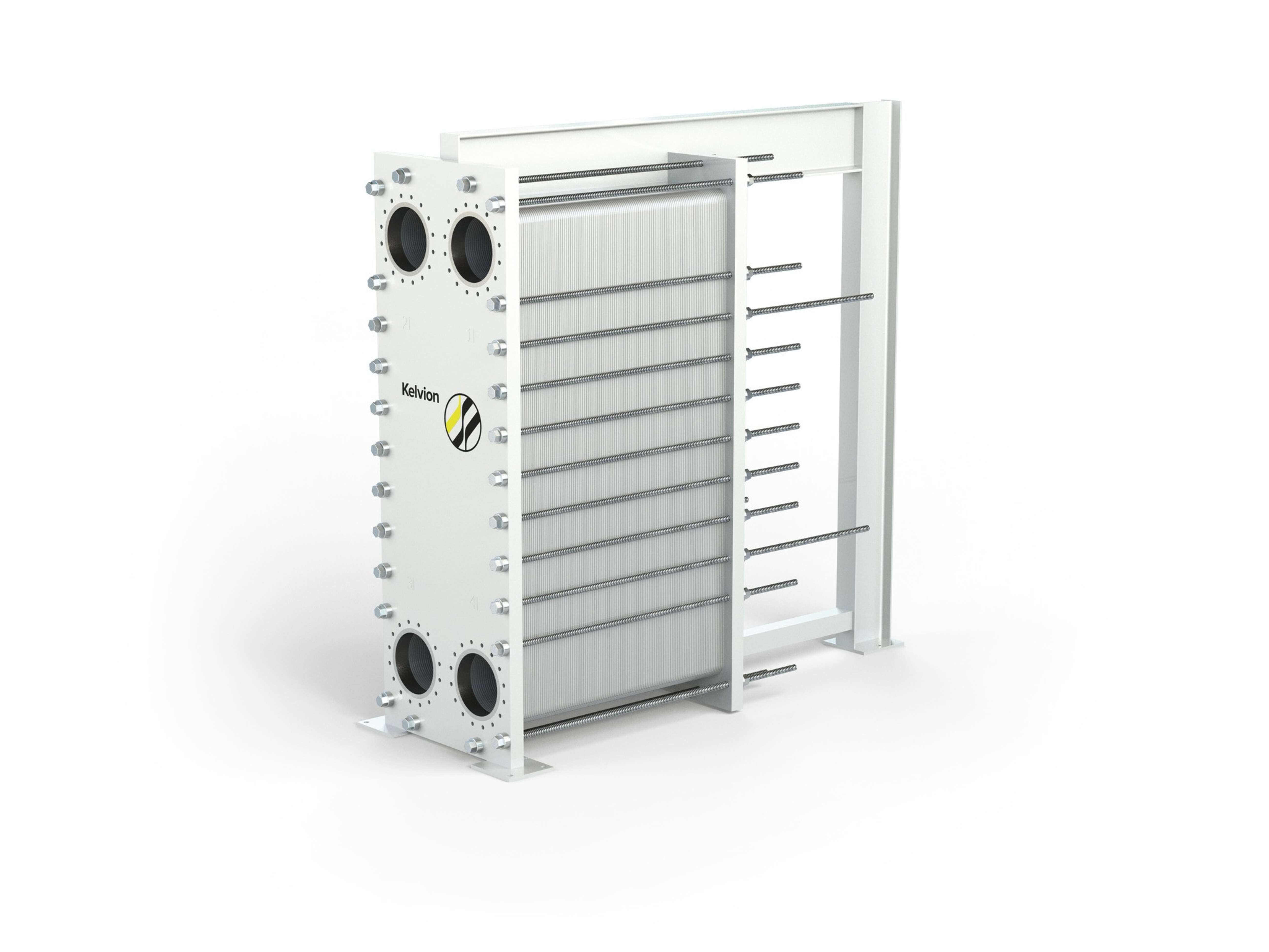
Higher, more stable return temperatures (often easier with liquid) improve export viability; plate or shell-and-tube heat exchangers and a heat-pump interface align temperatures with building or district networks.

FAQ – Liquid and Air Cooling
Air systems can go a long way with the right airflow and controls. Prioritise measures that cut bypass/recirculation and hold set points at peak ambient:
- Containment & sealing: consistent hot-/cold-aisle containment, blanking panels, brush grommets, sealed floor cut-outs.
- Higher supply temperatures & free cooling: raise supply where hardware allows; maximise dry/air-fin hours; use adiabatic assist only on hot days.
- Right-sized airflow: balance CRAC/CRAH, in-row or rear-door units; avoid over-provisioned CFM that drives fan power without improving ΔT.
- VFD control & set-point coordination: tune fan/valve curves to track IT load and ambient; prevent unit-to-unit oscillations.
- Coil hygiene & filtration: keep coils clean, use appropriate filter classes (e.g., ISO ePM1), and monitor approach temperature (ΔT) to catch fouling early.
- Spot density fixes: deploy rear-door or in-row coolers in hot zones before a wider liquid roll-out.
Dive deeper: White-space air cooling
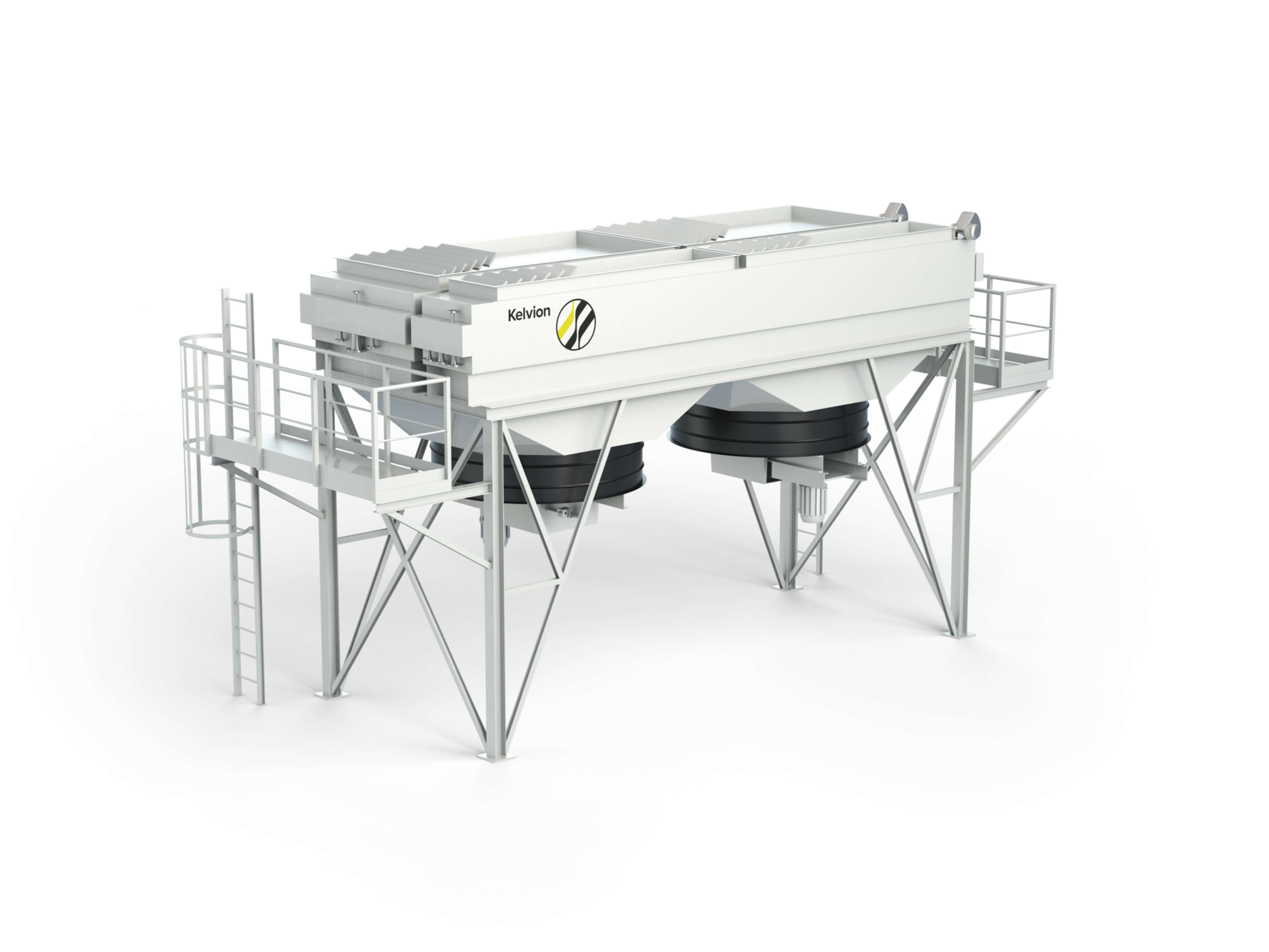
Start where density and ROI are highest, then expand. Maintain air for mainstream racks and introduce DTC or immersion in hot spots. Outside the white space, size the outdoor train accordingly: use air-fin (dry) coolers as a low-water baseline, add adiabatic/hybrid capacity only for hot days, and include plate or shell-and-tube heat exchangers for clean hydraulic separation. Provide N+1 where required, include bypass/valving for service, and reserve
Both are liquid approaches but optimise different constraints. Direct-to-chip (DTC) keeps a rack-centric service model and is well suited to phased retrofits in mixed halls. Immersion submerges whole servers in a dielectric fluid for top-tier density and low acoustics, with different handling routines.
- Choose DTC for incremental upgrades, conventional rack workflows and simpler fluid logistics.
- Choose immersion when heat flux is very high, noise limits are strict, or container/pod concepts are preferred.
Dive deeper: Liquid direct-to-chip and immersion cooling
Air systems rely on conditioned air; performance and lifetime depend on airflow management, filtration and clean coils. Copper/aluminium coils may need protective coatings (e.g., epoxy/phenolic) in coastal or industrial environments to limit corrosion, galvanic effects and fouling.
Liquid systems use water–glycol (DTC secondary loops) or dielectric fluids (immersion). Select 316L as a common baseline for plate/tubular exchangers, moving to titanium/higher alloys where chemistry demands; match gasket/elastomer compounds (EPDM, NBR, FKM) to fluid, temperature and oxygen exposure. Maintain glycol concentration, pH and inhibitor levels; verify dielectric-fluid compatibility with plastics/elastomers; and plan CIP/manual cleaning intervals aligned to duty and environment.
Focus on a short set of KPIs: ΔT/approach across coils and plates (early fouling indicator), fan/pump power vs IT load (parasitics), coolant/air supply & return temperatures (thermal headroom), PUE/WUE (efficiency and water stewardship) and alarms for leaks, flow and temperature excursions (reliability and safety).
Yes. Higher and more stable return temperatures—often easier with liquid—make waste-heat export more viable. Export is typically connected via heat exchangers and, where required by the network, a heat-pump interface to lift supply temperature. Air systems can also export heat; viability depends on temperature levels, network set-points and hours of availability.